
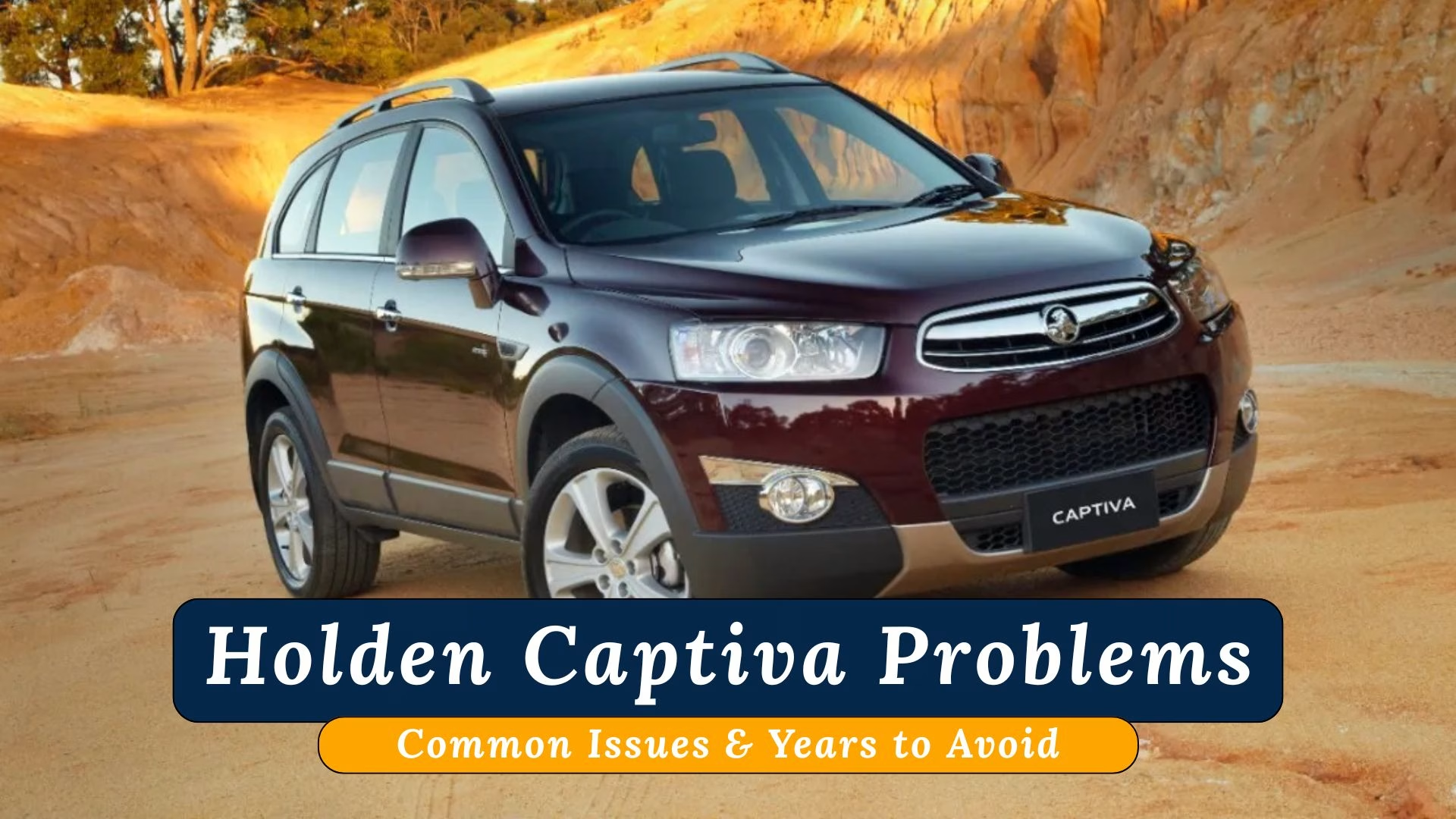
The Holden Captiva, a popular family SUV, is known for its affordability but also faces a range of mechanical and electrical issues. From transmission failures to air conditioning problems, many Captiva owners experience headaches with their vehicles.
In this blog, we’ll explore the most common Holden Captiva problems, including engine, transmission, and electrical faults, and provide practical solutions to help you keep your vehicle running smoothly. Whether you’re dealing with a slipping gearbox or faulty AC, we’ve got you covered with easy fixes to prevent costly repairs.
What Are the Most Common Holden Captiva Problems?
The Holden Captiva suffers from widespread issues across multiple systems, making it one of the less reliable SUVs in its class. Understanding these problems helps owners anticipate maintenance needs and avoid costly surprises.
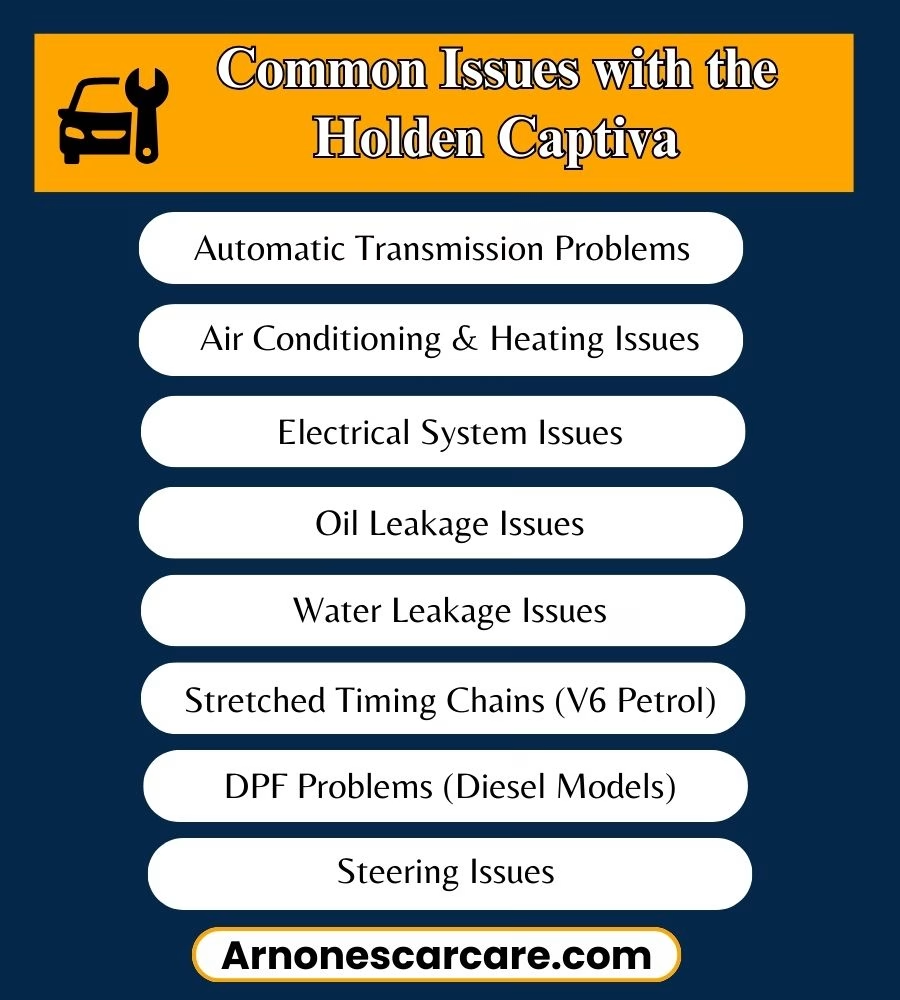
| Issue | Symptoms | Causes | Repair Costs |
| Automatic Transmission Problems | Gear slipping, unusual noises, complete transmission failure | Valve body issues, low/degraded transmission fluid, faulty solenoids, worn-out clutches, torque converter faults | Fluid Change: $200-$300 Repair/Rebuild/Replace: $2,500-$4,000 |
| Air Conditioning & Heating Issues | Unpleasant odors, insufficient cooling/heating, unusual noises | Blocked vents, dirty coils, low refrigerant, clogged filters | Refrigerant Recharge: $200-$300 Compressor Replacement: $800-$1,500 |
| Electrical System Issues | Dashboard warning lights, infotainment failures, battery drainage | Blown fuses, faulty alternator, weak battery, ignition switch issues, corroded wiring | Small Repairs: $100-$300 Infotainment Replacement: $500-$1,000+ |
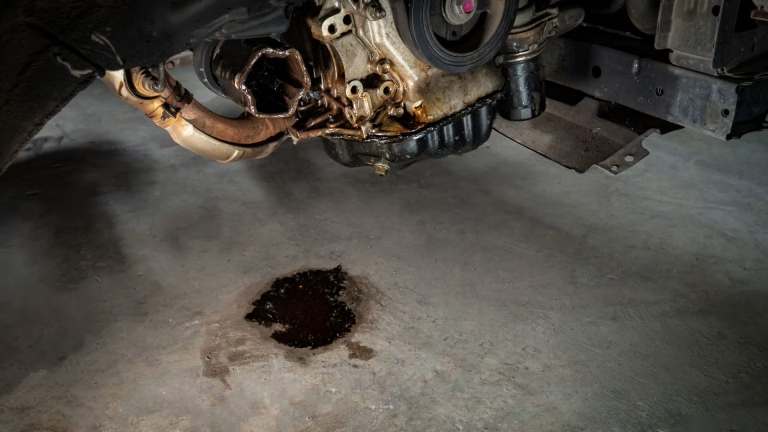
| Oil Leakage Issues | Visible oil spots, low oil warning, burning oil smell, engine knocking | Overfilled oil, loose drain plug, damaged gasket, bad valve seals | Valve Cover Gasket: Standard costs Rear Main Seal: $600-$1,200 |
| Water Leakage Issues | Water inside cabin, moisture stains, electrical failures | Leaking heater core, clogged A/C drain, windshield seal issues, worn door seals | Fixes: $100-$500 |
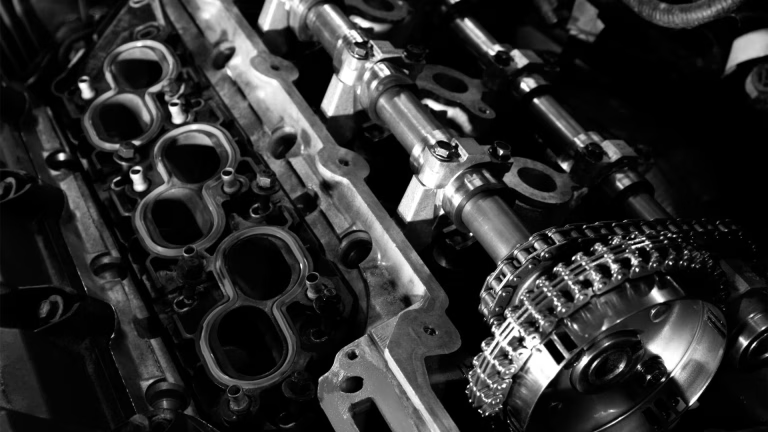
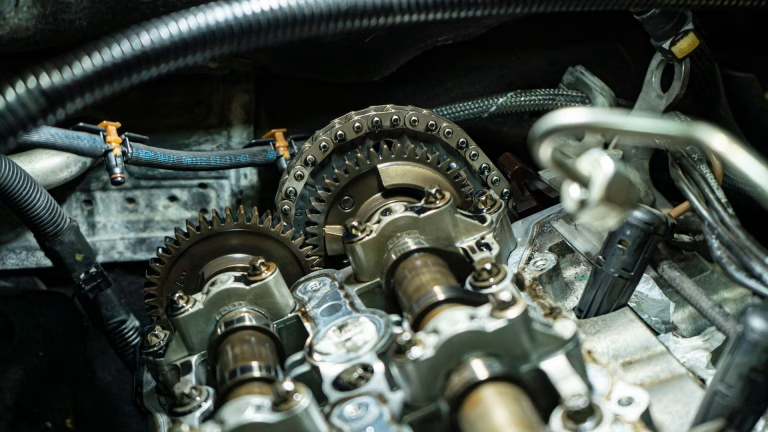
| Stretched Timing Chains (V6 Petrol) | Engine rattling, rough idling, poor performance, engine failure risk | Chain elongation, engine-crankshaft synchronization failure | Repair/Replacement: $1,500-$4,000 |
| DPF Problems (Diesel Models) | Decreased performance, high fuel consumption, DPF warning light | Clogged DPF, incomplete regeneration | Forced Regeneration: $300-$500 DPF Replacement: $1,500-$3,000 |
| Steering Issues | Heavy steering, screeching noises, vibration or pulling | Low power steering fluid, faulty steering pump or rack | Fluid Top-Up: $50-$100 Pump Replacement: $400-$800 Steering Rack Replacement: $1,000-$1,500 |
Holden Captiva Models & Years to Avoid
Not all Holden Captiva models are equally problematic, but certain years have significantly higher failure rates. Here’s a detailed breakdown of the worst years and specific issues to avoid:
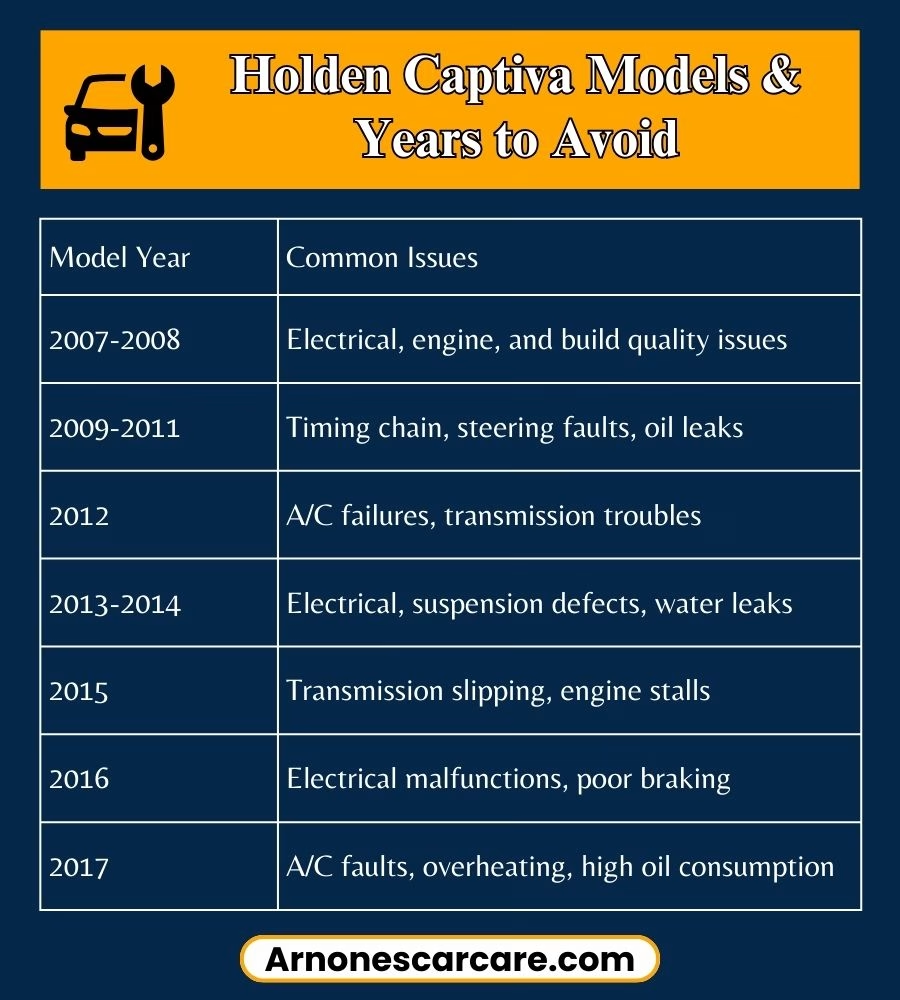
| Model Year | Common Issues | Reasons to Avoid |
| 2007-2008 | Electrical failures, engine troubles, build quality issues, rocker arm bearing failures (diesel) | Early production models suffered from engineering and manufacturing defects, poor build quality, and diesel rocker arm failures leading to camshaft damage |
| 2009-2011 | Timing chain defects (V6 petrol), steering faults, brake failures, oil leaks, camshaft problems | Persistent timing chain elongation in V6 engines, fuel system problems, and overall unreliability. Engines produced before May 18, 2007 particularly susceptible |
| 2012 | Air conditioning failures, transmission troubles, turbo issues | Poor cooling efficiency, ineffective gear shifting, and early transmission breakdowns |
| 2013-2014 | Electrical system failures, suspension defects, water leaks | Water ingress causing interior and electrical damage, persistent suspension faults, and electronic malfunctions |
| 2015 | Transmission slipping, engine stalls, fuel system malfunctions, turbo problems | Unstable performance due to faulty transmission, unreliable engine operation, and ongoing turbo issues |
| 2016 | Electrical malfunctions, poor braking, suspension failures, turbo lag | Safety concerns from weak braking systems, suspension issues, and persistent electrical problems |
| 2017 | Air conditioning faults, engine overheating, excessive oil consumption | Costly maintenance due to overheating, high oil usage, and HVAC system failures |
Why These Years Are Particularly Problematic?
The Chevrolet Captiva has faced several reliability concerns over the years, making it a less favorable choice for long-term ownership. From mechanical failures to electrical malfunctions, many issues can lead to costly repairs. Here’s a breakdown of its common problems:
- Recurring Mechanical Issues: Several model years of the Captiva experience transmission, engine, and suspension problems, often leading to expensive repairs.
- Electrical Malfunctions: Owners frequently report sensor failures, window malfunctions, and infotainment glitches, impacting both reliability and comfort.
- Costly Repairs: Common issues such as timing chain failures, oil leaks, and transmission breakdowns often come with high repair expenses.
- Weak Long-Term Reliability: Due to persistent problems across multiple systems, the Captiva may not be ideal for those looking for a dependable long-term vehicle.
Key Things to Know About the Holden Captiva
The Holden Captiva is a mid-size SUV produced by General Motors under the Holden brand from 2006 to 2018. Manufactured in South Korea, it was designed for families and everyday driving, offering both five-seat (Captiva 5) and seven-seat (Captiva 7) configurations.
Key Features:
- Engine Options: 2.4L four-cylinder petrol, 3.0L V6 petrol, and 2.2L turbo-diesel
- Transmission: Available in both manual and automatic
- Seating: Offered in five-seat (Captiva 5) and seven-seat (Captiva 7) configurations
- Technology: Later models featured Apple CarPlay, Android Auto, and safety features like stability control
- Trim Levels: SX, LS, LT, LTZ, CX, LX, LT5, LTZ5
Market & Discontinuation: The Captiva was positioned as an affordable family SUV but faced persistent reliability issues throughout its production run. It was discontinued in 2018 and replaced by the Holden Equinox (five-seat) and Holden Acadia (seven-seat).
How to Diagnose Holden Captiva Problems?
Early diagnosis helps prevent minor issues from becoming expensive repairs. Follow these diagnostic steps:
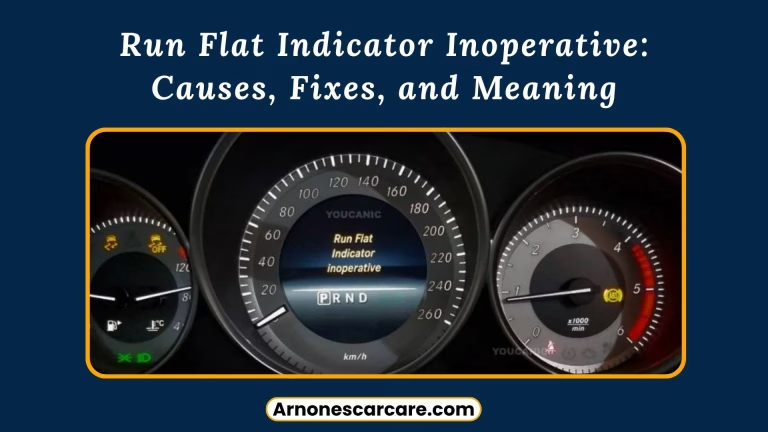
- Check Warning Lights: Use an OBD-II scanner to retrieve trouble codes for precise diagnosis when dashboard lights appear
- Listen for Unusual Noises: Rattling indicates possible timing chain issues; grinding suggests transmission or steering problems
- Inspect Tires: Uneven tire wear signals suspension or alignment problems
- Check the Battery: Inspect for corrosion or low charge if the car struggles to start
- Test Air Conditioning: Poor performance indicates refrigerant leaks or compressor malfunction
- Observe Driving Behavior: Rough shifting, delayed gear changes, or pulling to one side indicate transmission or brake system faults
- Look for Fluid Leaks: Check beneath the vehicle for oil, cooling system, or transmission fluid leaks
- Monitor Engine Performance: Rough idling, misfires, or weak acceleration point to engine trouble
- Inspect Turbo System (Diesel): Check intercooler hoses and boost pipes for cracks, splits, or oil residue indicating leaks
How Can You Prevent Holden Captiva Problems?
While the Captiva has inherent reliability issues, proper maintenance can minimize problems and extend vehicle life:
- Regular Servicing: Follow the recommended service schedule strictly, including oil changes every 5,000-10,000 km, filter replacements, transmission fluid changes, and brake inspections. Routine maintenance helps detect issues early.
- Monitor Fluid Levels: Check and maintain proper levels of engine oil, transmission fluid, coolant, and brake fluid regularly to prevent wear and mechanical failures.
- Listen for Unusual Noises: Pay immediate attention to squealing brakes, rattling engines, or grinding sounds—these signal underlying problems requiring prompt attention.
- Inspect Tires and Brakes: Ensure adequate tread depth and proper tire inflation. Regularly check brakes for wear and replace pads or rotors as needed.
- Cooling System Maintenance: Flush and refill the cooling system at recommended intervals to prevent overheating and related engine damage.
- Check Steering and Suspension: Inspect power steering fluid and suspension components for leaks or worn parts to avoid expensive future repairs.
Why is the Holden Captiva So Cheap?
The Holden Captiva’s lower pricing reflects several factors:
- Rebadged Origin: Many models are rebadged Daewoo or Opel vehicles, generally less desirable than Australian-made Holdens
- Reliability Reputation: Known mechanical and electrical problems significantly reduce resale value
- High Maintenance Costs: Frequent repairs and expensive parts deter buyers
- Poor Long-Term Reliability: The vehicle’s track record makes it a risky long-term investment
Australian-built Holdens tend to hold higher value, especially when well-maintained. If seeking a reliable and budget-friendly alternative, consider vehicles with better reliability records, such as a 3.8L 2000s Commodore with low kilometers. Commodores (especially 2005 or earlier models) offer affordable repairs, inexpensive parts, and simpler maintenance.
What Models Were Available for the Holden Captiva?
The Holden Captiva was offered in two main variants, each catering to different passenger and cargo needs:
- Captiva 5
- Captiva 7
Trim Levels:
Throughout its production, the Captiva came in various trims, including:
- SX
- LS
- LT
- LTZ
- CX
- LX
- LT5
- LTZ5
Each of these models had its own set of strengths and weaknesses, but certain years suffered from major mechanical and electrical problems that made them unreliable.
Holden Captiva Review: Practical but Lacking Excitement
The Holden Captiva is an affordable family SUV but falls short in performance and reliability. The steering is inconsistent, with left turns requiring more effort, suggesting mechanical issues. While the petrol engine outperforms the diesel, real-world fuel consumption is higher than advertised. The ride quality is average, and the feature set is decent but lacks refinement.
Though budget-friendly, the Captiva’s persistent mechanical problems and underwhelming driving experience make it less appealing compared to its competitors. It’s practical for family use but doesn’t offer the best overall value or driving satisfaction in its category.
FAQs:
Q. What are the Holden Captiva years to avoid in Australia?
Avoid 2006–2018 models, as they are prone to engine problems, transmission failures, and electrical faults.
Q. Why is the Holden Captiva considered cheap?
Its affordability is due to its rebadged Daewoo/Opel origins, frequent mechanical problems, and high maintenance costs.
Q. How do I know if my Holden Captiva’s timing chain needs replacing?
Watch for symptoms like engine rattling, rough idling, poor acceleration, and misfires, which indicate potential timing chain wear.
Q. Is the Holden Captiva a reliable vehicle?
While proper maintenance can improve reliability, the Captiva is known for persistent mechanical and electrical issues, especially in older models.
Q. What are the common problems with the Holden Captiva?
Frequent problems include transmission failures, electrical malfunctions, HVAC system faults, and oil leaks, all of which can lead to expensive repairs.