
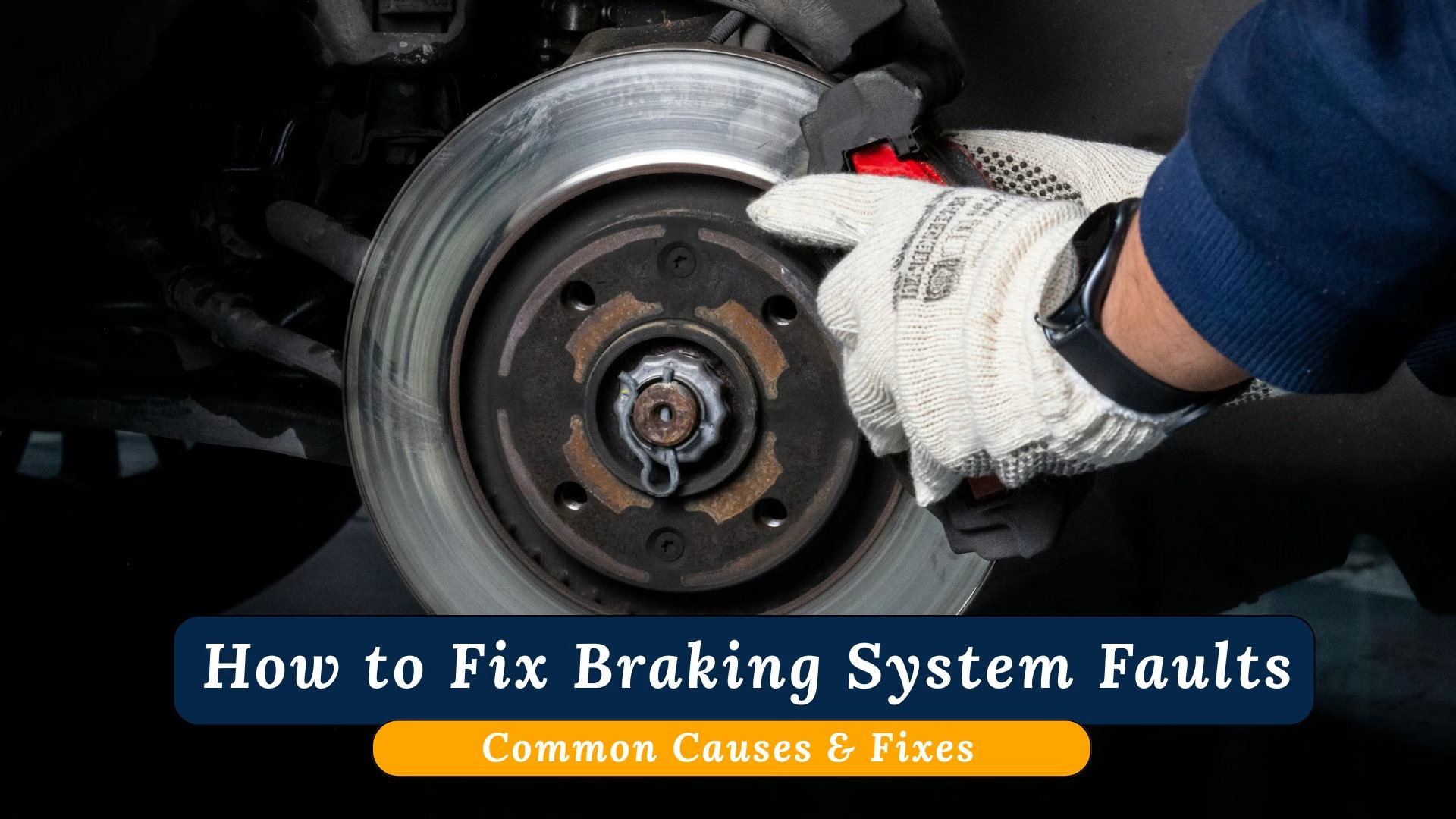
Seeing a braking system fault warning light? It could be due to several issues, such as low brake fluid, worn brake pads, damaged rotors, or ABS malfunctions. These problems can affect your vehicle’s ability to stop safely, so it’s important to act quickly.
The warning light signals that your car’s Electronic Control Unit (ECU) has detected an issue with the braking system, which can range from simple fluid levels to more complex problems. In this guide, we’ll walk you through the top causes and simple fixes to get your brakes back in top shape.
Understanding the Braking System Fault Warning
Seeing the braking system fault warning light on your dashboard means the car’s Electronic Control Unit (ECU) has detected an issue with the braking system. The ECU monitors key components like the brake pads, fluid levels, and ABS system.
When something’s wrong, it alerts you to prevent further damage. Whether it’s low brake fluid or a more serious problem, the warning light is a signal to act quickly and ensure your brakes are safe. If you’re unsure about the cause, a trusted auto body repair shop can inspect the braking system and identify the issue.
Signs Your Brakes Are Failing
Brakes are crucial for safety, and if you notice any of these signs, act quickly:
- Squeaking or Grinding Noises: Squeaking can mean worn brake pads, while grinding usually indicates pads are completely worn out. Both need immediate attention.
- Spongy or Soft Brake Pedal: A spongy or soft pedal may signal low brake fluid or air in the lines, affecting braking power.
- Vibration or Pulsation: Feeling vibrations in the brake pedal suggests warped rotors, which can lead to uneven braking.
- Pulling to One Side: If the car pulls to one side when braking, the brake pads or calipers may be unevenly worn.
- Brake Warning Light: A lit brake warning light indicates low fluid, worn pads, or ABS issues.
- Reduced Braking Power: If it takes longer to stop, or the brakes lose effectiveness after heavy use, it may be brake fade.
- Burning Smell: A burning smell while braking suggests overheating brake pads, which need urgent attention.
- Hard Brake Pedal: A hard pedal may signal a brake booster issue or low fluid, making braking difficult.
Key Components of the Braking System
To understand braking system faults, it’s important to know the key components that keep your car’s brakes functioning. Here’s a quick breakdown of the critical braking components:
- Rotors: These are the metal discs your brake pads clamp down on to slow the car. If they become warped or worn out, you may feel vibrations when braking.
- Brake Pads: These friction materials press against the rotors to stop the car. Over time, brake pads wear down, reducing their effectiveness and increasing stopping distances.
- Brake Lines: These carry brake fluid from the master cylinder to the brake components. Leaks or blockages in the lines can cause a loss of braking power.
- Calipers: The calipers hold the brake pads and push them against the rotors when you press the brake pedal. If a caliper is stuck or damaged, braking efficiency can suffer.
- ABS (Anti-lock Braking System): The ABS prevents the wheels from locking up during hard braking, helping you maintain control. A malfunctioning ABS can reduce braking safety, especially in slippery conditions.
- Master Cylinder: This part stores the brake fluid and sends it to the brake system when you press the pedal. If it fails, the brake pedal may feel soft or unresponsive.
These components work together to ensure your car can stop safely. If any of them are damaged or malfunctioning, your braking system may not perform as it should. Regular checks and maintenance of these parts are essential for your safety on the road.
Common Causes of Braking System Faults
Understanding the common causes of braking system faults can help you take proactive steps to prevent these issues. Here are the main culprits behind braking problems in your Renault vehicle:
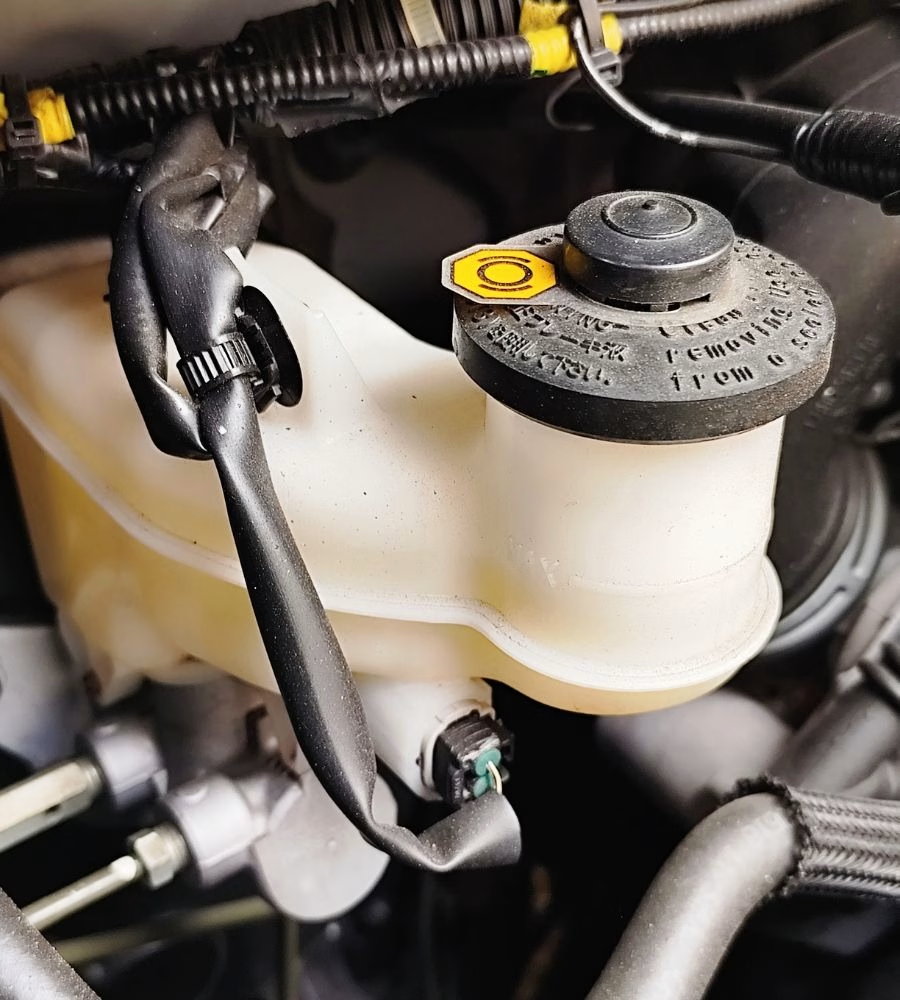
1. Low Brake Fluid:
A low brake fluid level is often caused by leaks or contamination. Leaking brake lines or a failing master cylinder can allow fluid to escape, reducing pressure and compromising braking performance. Always check for leaks and keep the fluid topped up to ensure smooth braking.
2. Worn Brake Pads:
Brake pads wear down over time due to constant friction. When they’re too thin, they can no longer provide the necessary grip to stop your car safely. Worn brake pads increase stopping distances and can damage rotors. It’s important to replace them regularly, typically every 25,000 to 70,000 miles depending on driving habits.
3. Damaged Brake Rotors:
Brake rotors are vital for safe braking, but over time, they can wear down due to constant use, heat, and friction. Warped rotors or those with deep grooves can cause vibrations, reduce braking effectiveness, and increase the risk of brake failure. Regular inspections can help identify issues before they worsen.
4. Corrosion of Components:
Moisture and salt from the road can cause critical brake components, like rotors, calipers, and brake lines, to corrode over time. Corrosion weakens these parts, affecting braking performance and safety. Keeping the vehicle clean, especially in areas where salt is used on the roads, can help minimize corrosion risks.
5. Temperature Extremes:
Heat and cold can have a significant impact on braking performance. Excessive heat from frequent braking or high temperatures can cause brake fluid to boil, leading to brake fade. On the other hand, extremely cold temperatures can cause brake lines to freeze or become brittle, reducing the system’s effectiveness. Always be mindful of extreme weather conditions and their effects on your braking system.
6. Aggressive Driving and Heavy Loads:
Aggressive driving, such as hard braking and rapid acceleration, places extra strain on the braking system, causing premature wear of pads and rotors. Similarly, driving with heavy loads increases the braking distance and can cause overheating of brake components. Practicing smooth braking and not exceeding weight limits can help extend the life of your brakes.
7. Low-Quality Parts:
Using substandard brake components—whether it’s pads, rotors, or even sensors—can significantly affect braking performance. Low-quality parts tend to wear out faster and may not meet safety standards, potentially leading to dangerous failures. Always choose high-quality, OEM (Original Equipment Manufacturer) parts for the best results.
8. Weak Battery:
A weak or low-voltage battery can trigger warning lights related to the braking system, particularly in modern vehicles that rely on electronic systems like ABS. If the battery cannot supply enough power to these components, it could cause errors in the braking system. Regularly check and replace the battery to ensure the entire system functions properly.
How to Fix Braking System Faults in Renault?
If you’re seeing the braking system fault warning in your Renault, don’t panic! There are a few simple steps you can take to diagnose and resolve the issue. Here’s how to tackle the problem and get your braking system back to optimal performance:
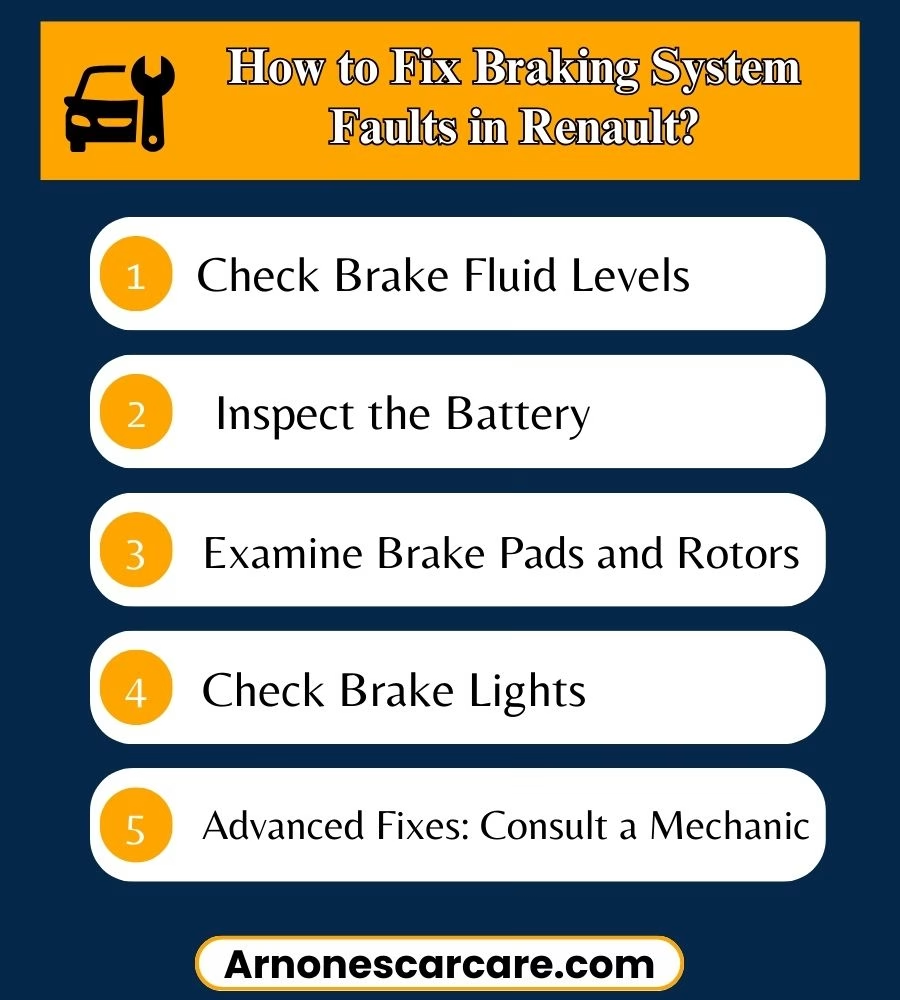
1. Check Brake Fluid Levels
Low brake fluid is one of the most common causes of braking system faults. Start by inspecting the brake fluid reservoir under the hood. If the fluid level is below the recommended mark, top it up with the correct type of brake fluid. Once done, restart your vehicle and see if the warning light clears.
- Tip: If the fluid keeps running low, it could indicate a leak in the brake system, which needs further inspection.
2. Inspect the Battery
Your braking system relies on the vehicle’s electrical power, so a weak or failing battery can affect the performance of components like the ABS. Check the battery’s voltage using a multimeter. If it’s less than 12.6 volts, your battery may need recharging or replacing.
- Tip: Also inspect the battery terminals for signs of corrosion, as it can disrupt the electrical flow and trigger false warnings.
3. Examine Brake Pads and Rotors
Worn brake pads and damaged rotors can lead to poor braking performance. Here’s how you can check them:
- Brake Pads: Look for any signs of thinning or wear. If they’re worn down, it’s time for a replacement.
- Brake Rotors: Check the rotors for grooves, cracks, or warping. If they’re damaged, they’ll need to be resurfaced or replaced.
Tip: Regularly inspecting these parts can prevent unexpected issues and ensure optimal braking performance.
4. Check Brake Lights
Sometimes the issue might not be with the braking system itself but with the brake lights. Have someone press the brake pedal while you observe if the brake lights illuminate properly. If they don’t work, it might indicate a malfunctioning sensor or broken wiring.
- Tip: Replacing faulty brake light bulbs can be an easy fix, but if the problem persists, a deeper inspection of the electrical system might be necessary.
5. Advanced Fixes: Consult a Mechanic
If the above steps didn’t resolve the problem, it’s time to bring in the experts. Professional mechanics have the necessary diagnostic tools to detect more complex issues with the ABS system, ECU, or master cylinder.
- Tip: Regular visits to a qualified technician for brake system checkups can prevent major faults down the line and help you maintain optimal vehicle performance.
By following these simple steps, you can address the braking system fault warning and ensure your Renault stays in safe, working condition. If you’re ever in doubt, consulting a mechanic for a professional diagnosis is always a good idea.
How to fix the brake system warning light?
To fix the brake system warning light, it’s crucial to keep your braking system in top condition by following these key steps:
- Regular Maintenance: Schedule routine brake inspections with a qualified mechanic who can assess your system for any wear or damage. Timely replacements or repairs will help avoid more serious issues later.
- Battery Check: A well-functioning battery ensures the proper operation of your vehicle’s electrical systems, including the brakes. Regularly check the battery’s charge and condition. Replace it if necessary to keep everything working smoothly.
- Brake Fluid Levels: Low brake fluid can trigger the warning light. Always check the brake fluid level and top it up with the correct fluid. Make sure the fluid is fresh and not contaminated, as old fluid can damage components.
- Managing Vehicle Load: Avoid overloading your vehicle, as carrying excessive weight can strain your braking system. Stick to the recommended load limits to prevent unnecessary wear on the brakes.
- Address Symptoms Early: If you notice any strange noises, vibrations, or the brake warning light turning on, take immediate action. Ignoring these signs can lead to expensive repairs, so get the issue diagnosed promptly.
- Smooth Braking: Practice gentle braking to reduce wear on your system. Quick, hard stops put extra pressure on the brakes, causing them to wear out faster. Maintain a safe distance from other vehicles to minimize the need for harsh braking.
- OBD-II Scanner Diagnostics: Using an OBD-II scanner allows you to read error codes from your car’s computer system. It can identify any internal issues with the braking system and help you resolve problems before they escalate.
By staying on top of these maintenance steps, you can prevent brake system issues and ensure your vehicle’s braking system remains safe and reliable.
Do Your Brake Pads Need Replacing?
If your brake pads are worn out, it’s time to replace them. Instead of using regular parts, consider upgrading to higher-quality ones. PowerStop’s Brake Finder helps you choose the best brake kit for your car.
Just enter your vehicle details, and it will show you the perfect match. The kit comes with everything you need for installation, so no extra trips to the store. If you don’t want to install them yourself, take the kit to a trusted mechanic.
Why Does My Brake Service Light Come On When I Press the Pedal?
If your brake service light turns on when you press the brake pedal, it might mean the brake fluid is low or there’s a problem with the hydraulic pressure. The brake fluid helps the system work when you press the pedal.
If the fluid is too low, it can make the brakes fail, which is dangerous. Check the fluid level and top it up if needed to keep your brakes working properly.
Looking for reliable brake repair? Click here for expert Brakes Repair Services to ensure your safety on the road.
FAQs:
Q. Is It Safe to Drive When the Brake Warning Light Is On?
No, stop driving and contact a brake specialist.
Q. What does the Braking system warning light indicate on your dashboard?
It means there’s a problem with your brake system.
Q. What causes Brake light on Dash to stay on?
Low brake fluid, worn pads, a stuck parking brake, or ABS issues.
Q. What are the common causes of a Braking System Fault in a Citroen C4?
A “Braking System Fault” in a Citroen C4 typically points to low brake fluid, worn brake pads, or issues with the ABS or master cylinder.
Q. What is the brake fault light on a Renault Clio?
It indicates an issue with the anti-lock braking system (ABS).
Q. What is the warning braking system on a Renault?
It means low brake fluid or a braking issue, showing the ® light and a beep.
Q. What should you do if a Braking system fault stops the vehicle?
Get it checked right away. It could be low fluid, worn pads, or a bigger issue.