
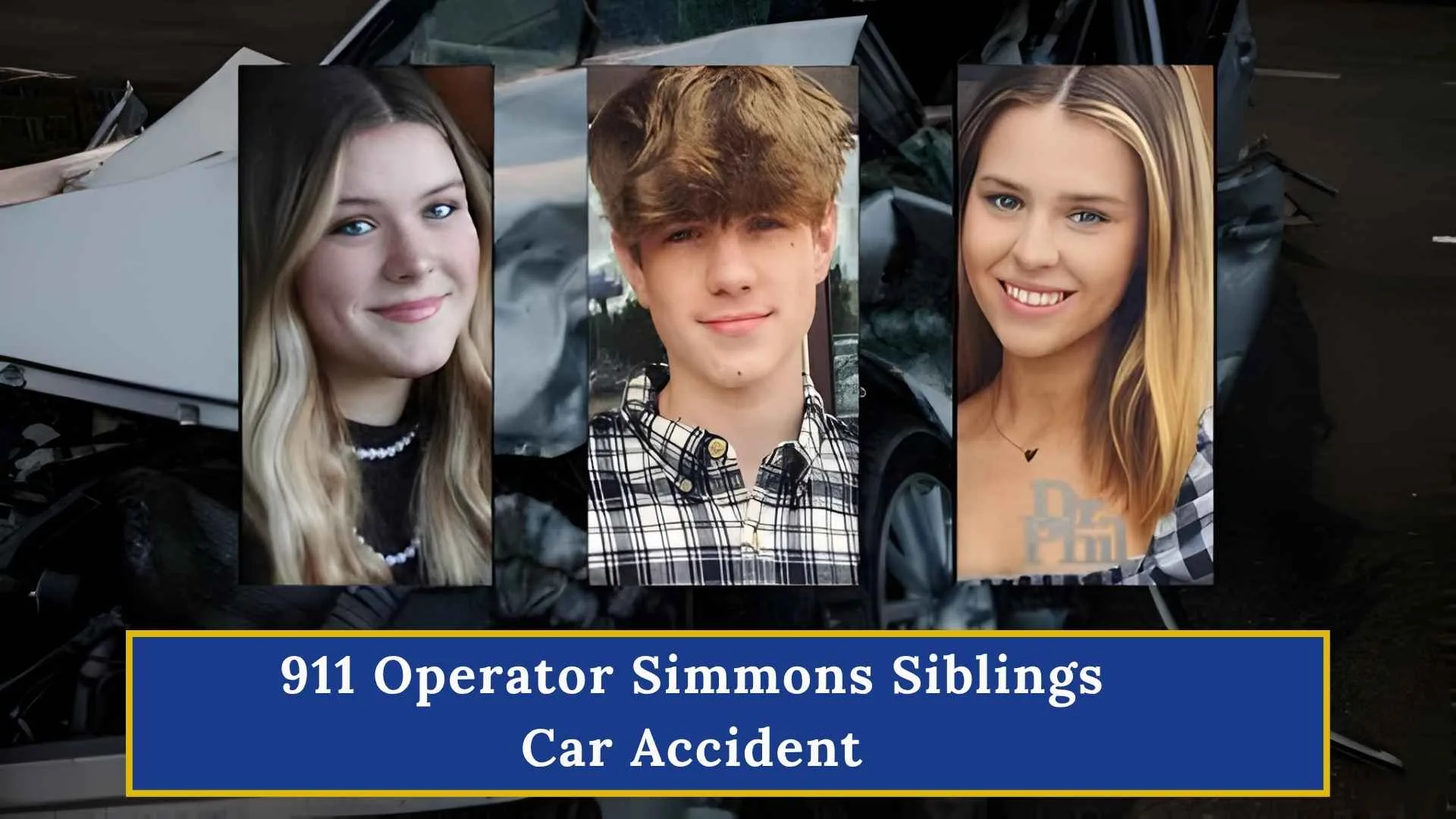
The story of the 911 operator Simmons siblings car accident is one that continues to resonate deeply across communities throughout the United States. It is not merely a traffic statistic or a news headline — it is a deeply human story of loss, love, grief, and the extraordinary determination of a family to ensure that three young lives were not lost in vain.
On the night of December 17, 2021, in Jeanerette, Louisiana, a single reckless decision by a drunk driver erased the futures of Lindy, Kamryn, and Christopher Simmons, and shattered their family forever.
Who Were the Simmons Siblings?
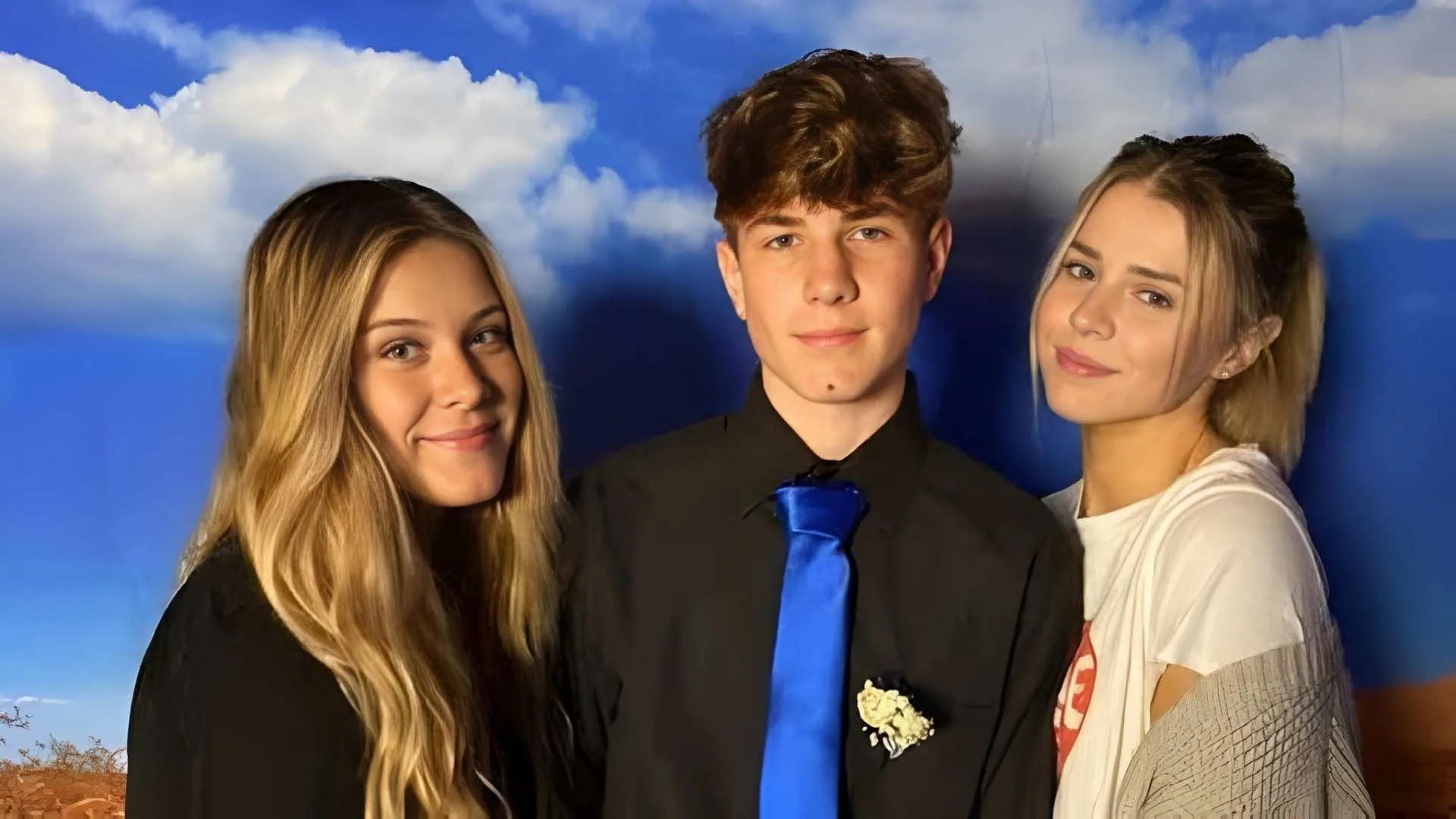
Before understanding the gravity of the accident, it is important to understand who Lindy, Kamryn, and Christopher Simmons were as people. They were not just names in a report — they were beloved children, siblings, and community members who had bright futures ahead of them.
- Lindy Simmons, 20, was a sophomore at Nicholls State University, pursuing a degree in education. She had recently landed her dream job as a campus photographer, a role that perfectly reflected her creative spirit. Those who knew her described her as the most imaginative person they had ever met.
- Kamryn Simmons, 15, was the youngest daughter and her mother’s self-described “baby.” She was known for her humor, her love of documenting everyday life, and her infectious personality.
- Christopher Simmons, 17, was a passionate athlete and his family’s source of tremendous pride. He was a high school basketball player, and the family had spent the evening of the accident cheering him on at an away game in Monroe, Louisiana.
Together, the three siblings were part of a large, tight-knit family of nine children, raised in a household where love and togetherness were central values. Teachers, neighbors, and classmates consistently described them as respectful, kind, and hardworking. They had dreams, ambitions, and a warmth that drew people to them naturally.
The Night of December 17, 2021
A Family Outing Turned to Tragedy
The evening had been a happy one. Dawn Simmons, the siblings’ mother, had taken the day off from her job as a mail carrier specifically to watch Christopher play basketball. After the game, the family stopped at a Subway restaurant — a simple, ordinary moment of togetherness that Dawn has recalled in subsequent interviews. It was the last clear memory she has from that night.
On the drive home, their vehicle was struck head-on by a pickup truck traveling in the wrong direction on the highway. Behind the wheel of that truck was John Lundy, a driver who was intoxicated at the time of the collision. According to toxicology reports released by Louisiana State Police, Lundy was approximately three times over the legal blood alcohol limit.
The impact was catastrophic. Lindy, Kamryn, and Christopher were killed at the scene. Dawn Simmons and Christopher’s girlfriend, Marissa (16 years old), who was also in the vehicle, survived but sustained serious injuries. John Lundy was also pronounced dead at the scene, which complicated the prospect of criminal prosecution through traditional channels.
The Role of Emergency Responders
When the 911 operator Simmons siblings car accident unfolded, first responders and emergency dispatchers were tested in the most difficult of circumstances. Dawn Simmons, despite being critically injured, managed to contact emergency services. The 911 operator who received the call remained professional and composed, guiding Dawn through the chaos until help arrived.
This moment underscores something often overlooked about emergency response: the dispatcher on the other end of a 911 call can be the first — and sometimes the only — calm voice a victim hears in the worst moments of their life. In the Simmons case, the operator helped coordinate the arrival of paramedics, firefighters, and police, ensuring that survivors received care as quickly as possible.
The Community’s Response
The grief that swept through Jeanerette and the surrounding communities following the 911 operator Simmons siblings car accident was immediate and profound. Friends, neighbors, classmates, and even complete strangers reached out to the Simmons family in the days and weeks after the crash.
- Candlelight vigils were organized, where community members gathered to share memories of Lindy, Kamryn, and Christopher.
- Local churches and schools held support gatherings to help students and families process the tragedy.
- Donations poured in from across the country to help the Simmons family cover funeral costs and other expenses.
- Social media became a space for tribute, with thousands of people sharing their condolences and expressing solidarity.
The depth of the community’s response reflected not just sympathy for a grieving family, but a collective reckoning with the reality that drunk driving can destroy lives in an instant — and that no family is immune.
Dawn Simmons: From Survivor to Advocate
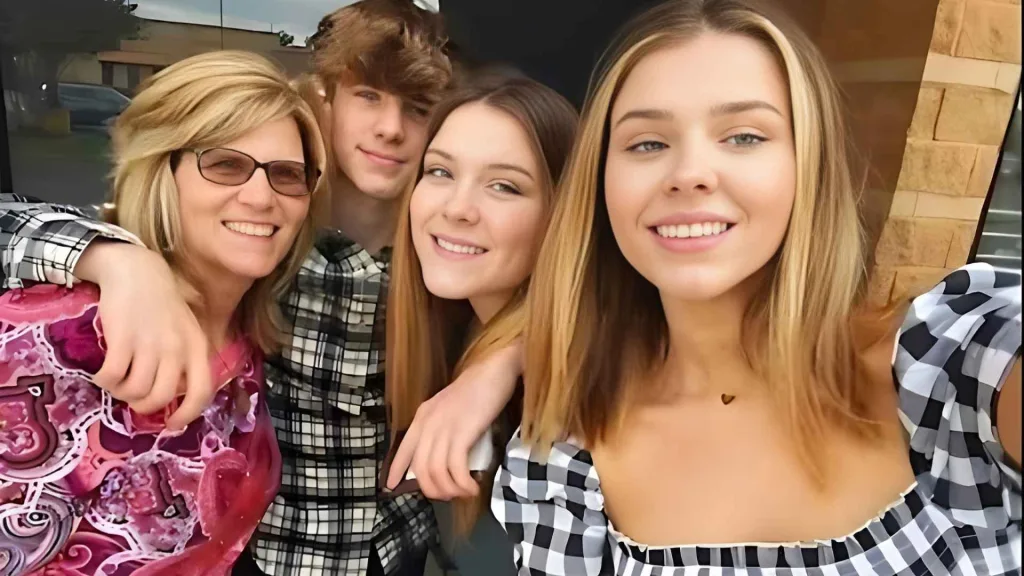
A Mother Who Refused to Be Silenced
Perhaps the most powerful element of this story is what Dawn Simmons chose to do with her grief. Rather than retreating from public life, she became one of the most vocal and visible advocates for drunk driving prevention in Louisiana and beyond. She has spoken at community events, participated in awareness campaigns, and pushed for stronger DUI legislation.
The Viral TikTok That Changed Everything
Dawn’s daughter, Katie DeRouen, shared a TikTok video earlier in 2023 that brought the Simmons story to a global audience. The video, which combined home footage of the family in happier times with news headlines about the accident, was viewed more than 32 million times. It served as a stark, emotional reminder that behind every drunk driving statistic is a real family — real laughter, real love, and real loss.
Dawn is seen in the video visiting her children’s graves, as she does every single day. She keeps what her daughter describes as a “grave cleaning kit” in her car — a mop, wax, and towels — so she can tend to their resting places on each visit. It is a detail that speaks volumes about a mother’s enduring love.
The Simmons 3 Foundation
In honor of Lindy, Kamryn, and Christopher — collectively remembered as the “Simmons 3” — the family established a foundation dedicated to raising awareness about drunk driving and supporting victims of impaired driving crashes. Through TikTok, community outreach, and speaking engagements, the foundation has turned personal tragedy into a mission for public safety.
The foundation’s work is an example of how advocacy can emerge from the most devastating of circumstances. When roads are the site of such preventable loss, it becomes the responsibility of all of us to support safer driving practices.
The Dangers of Drunk Driving: A National Crisis
The 911 operator Simmons siblings car accident is one of thousands of drunk driving tragedies that occur across the United States every year. Yet statistics alone cannot capture the human cost.
- The National Highway Traffic Safety Administration (NHTSA) consistently reports that drunk driving kills tens of thousands of people each year in the US alone.
- Impaired drivers often cause head-on collisions — among the most deadly types of accidents — by traveling in the wrong direction, exactly as John Lundy did on the night of December 17, 2021.
- Survivors of such crashes frequently face not only physical injuries but profound psychological trauma, including PTSD and complicated grief.
- Families left behind are forced to navigate a legal, financial, and emotional aftermath that can span years or even decades.
The tragedy of the Simmons family demonstrates that drunk driving is not a victimless crime. It is a decision that can ripple outward, touching dozens or hundreds of lives connected to those who are lost.
The Critical Role of 911 Operators
One of the most meaningful aspects of the 911 operator Simmons siblings car accident story is the light it sheds on the often-invisible work of emergency dispatchers. These individuals are the first point of contact in virtually every life-threatening emergency — and yet their contributions frequently go unacknowledged.
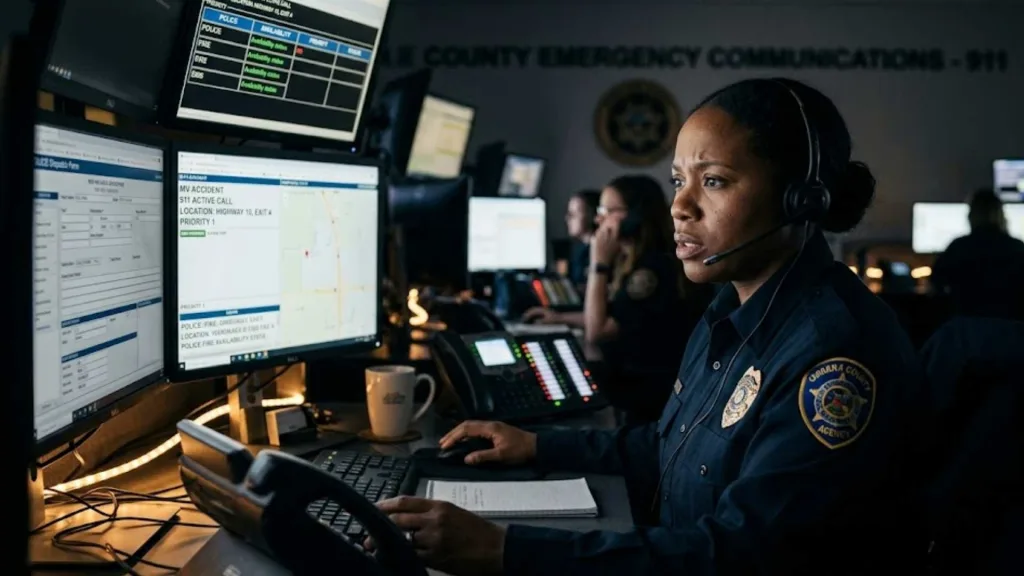
What 911 Operators Do in Crash Situations
When a major accident is reported, a 911 operator must:
- Quickly assess the nature and severity of the emergency through information gathered from distressed, often incoherent callers.
- Dispatch the appropriate emergency services — paramedics, fire crews, and police — to the right location with accurate information.
- Provide real-time guidance to callers, whether that means walking someone through basic first aid or simply keeping them calm until help arrives.
- Coordinate multiple response teams to ensure efficient care.
In the Simmons case, it is widely acknowledged that the 911 operator’s calm professionalism in the immediate aftermath of the crash may have contributed to Dawn Simmons and Marissa surviving their injuries.
The Emotional Toll on Dispatchers
What is less frequently discussed is the emotional burden carried by 911 operators. These are individuals who absorb trauma second-hand, often handling multiple life-or-death calls each shift without the opportunity to decompress or process what they have heard. Research suggests that emergency dispatchers face elevated rates of PTSD, burnout, and secondary traumatic stress. The Simmons accident serves as a reminder that these workers deserve robust mental health support and public recognition for their service.
Legal Implications and the Call for Reform
Because John Lundy died in the crash, traditional criminal prosecution was not possible. This outcome left many in the community — and across the country — frustrated with the limits of the justice system in holding drunk drivers accountable. The case reignited calls for:
- Stricter DUI legislation at the state and federal levels.
- Mandatory ignition interlock devices for repeat offenders.
- Expanded awareness and prevention campaigns targeting younger drivers.
- Stronger support systems for the families of drunk driving victims.
Dawn Simmons has been particularly vocal about the need for legal reform, arguing that no family should have to endure what hers has endured — and that the legal system must do more to prevent impaired drivers from getting behind the wheel in the first place.
Lessons That Must Not Be Forgotten
The story of the 911 operator Simmons siblings car accident carries lessons that extend far beyond Jeanerette, Louisiana. They are lessons about personal responsibility, community resilience, and the fragility of human life.
- Impaired driving is always a choice. John Lundy chose to drink and drive. That choice cost three young people their lives and robbed a mother of her children.
- Road safety education must begin early and continue throughout life. Many people underestimate how quickly a single poor decision on the road can become irreversible.
- Emergency responders — including 911 operators — are essential pillars of public safety who deserve greater recognition and support.
- Grief, when channeled through purpose and advocacy, can create meaningful change. The Simmons family is living proof of that.
- Vehicle safety matters beyond the accident itself. Proper car maintenance and post-accident vehicle inspections can make the difference in survivability. Trusted automotive resources such as Arnone’s Car Care offer the kind of expert guidance that vehicle owners need to keep their cars in safe condition year-round.
Conclusion
The 911 operator Simmons siblings car accident remains one of the most heartbreaking and impactful drunk driving tragedies in recent Louisiana history. Three young lives were lost in an instant because of a single irresponsible decision. But from that devastation, a family and a community have risen with purpose, turning grief into advocacy and memory into mission.
As roads continue to claim lives every day, the Simmons family’s story serves as an urgent reminder that road safety is everyone’s responsibility. Lindy, Kamryn, and Christopher Simmons deserve to be remembered. Their legacy demands that we do better — on our roads, in our laws, and in our communities.