How to Protect Your Volvo Interior from Sun Damage During Summer Road Trips
Australian summers are legendary for epic road trips. Whether you are navigating coastal routes, exploring the vast outback, or simply driving down to the local beach, the journey is often half the fun. If you drive a Volvo, you already appreciate the refined Scandinavian design, high-quality leather upholstery, and sophisticated plastics that make the cabin incredibly comfortable. However, the Australian sun is unforgiving. Premium interior materials are highly susceptible to premature wear if they are exposed to baking temperatures for hours on end. Protecting your car interior is not just about keeping the seats cool for your passengers. It is an essential step in maintaining the vehicle’s resale value and long-term structural integrity.
The Hidden Dangers of Heat and UV Rays
To understand why interior protection is so crucial, it helps to look at the science of thermal escalation inside a closed vehicle. The sun creates an intense greenhouse effect that rapidly accelerates the degradation of cabin materials. According to the National Highway Traffic Safety Administration, a vehicle’s cabin temperature can reach over 115 degrees Fahrenheit when the outside temperature is just 70 degrees Fahrenheit. In a peak Australian summer, those interior temperatures can easily soar past 60 degrees Celsius, effectively turning your luxury vehicle into a rolling oven in a matter of minutes.
This extreme heat wreaks havoc on luxury finishes. It rapidly dries out leather seats, strips away natural conditioning oils, and leaves the premium material prone to severe cracking. Dashboard plastics become brittle over time, while the heavy-duty adhesives holding your roof lining and door panels in place may begin to fail under the constant strain. To counteract this, investing in high-quality, custom-fitted Volvo car sunshade sets provides an immediate, reliable barrier against these destructive rays. By securing shades designed specifically for your model’s exact window dimensions, you can stop the sun from deteriorating your beautiful interior trims before the damage even begins.
Why Factory Tinting Leaves Your Cabin Vulnerable
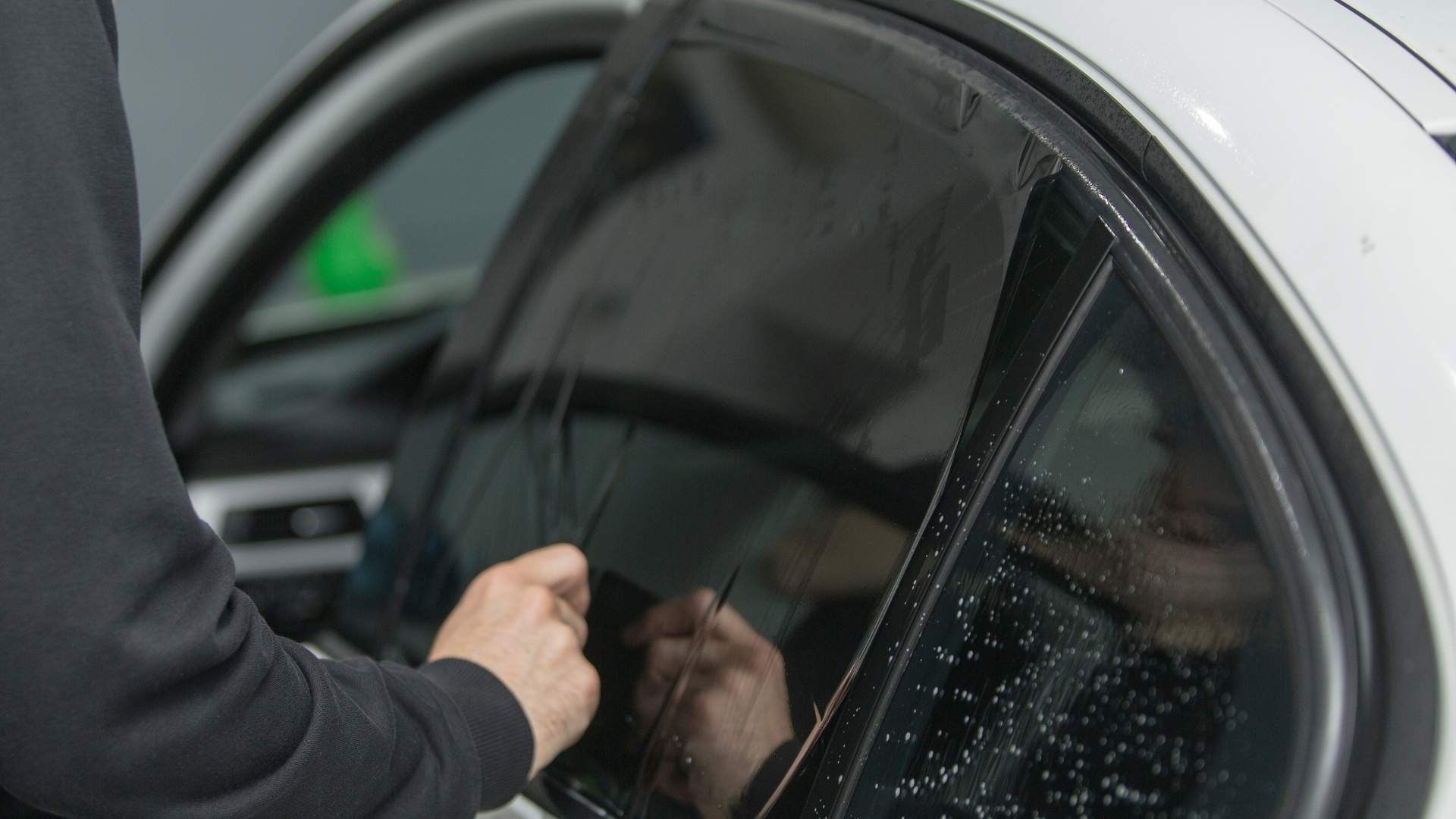
Many drivers mistakenly assume that because their vehicle comes equipped with factory-tinted glass, the interior is entirely safe from the elements. While window tinting is excellent for filtering out harmful ultraviolet rays, it primarily prevents fading rather than stopping total heat accumulation. Tints do not effectively stop the massive heat build-up caused by infrared radiation. Instead, the dark glass can absorb that heat and eventually radiate it directly into the cabin, raising the ambient temperature significantly over time.
This means your dashboard, delicate electronics, and leather upholstery are still at severe risk of thermal damage during a midday stop. If you find yourself wondering whether you actually need a sun shade for the car if you have tinted windows, the answer from automotive experts is a resounding yes. A physical barrier is absolutely necessary to bounce that infrared heat back outward. By stopping the greenhouse effect right at the glass, you prevent the cabin from cooking and keep the underlying materials completely shielded from intense thermal stress.
Essential Strategies for On-the-Road Protection
Keeping your cabin cool and well-protected during a summer holiday requires a mix of smart habits and the right accessories. Implementing a few simple routines will extend the life of your vehicle’s interior and keep everyone comfortable. Here are some of the most effective strategies to use on your next drive:
- Be strategic with your parking: Whenever possible, park facing away from the sun so your smaller rear window takes the brunt of the heat. Better yet, seek out natural shade under large trees or choose covered parking structures, even if it means walking a bit further to your destination.
- Condition your leather and plastics: Before heading out on a long trip, apply a high-quality, UV-blocking conditioner to your seats, steering wheel, and dashboard panels. This simple maintenance step adds a crucial protective layer that keeps materials supple and prevents them from drying out in the heat.
- Leave windows slightly cracked: If you are parked in a secure area, leaving the windows rolled down by just a few millimetres allows trapped hot air to escape. This minor ventilation promotes natural airflow and drastically reduces the peak temperature inside the cabin.
- Cover sensitive electronics: Modern vehicles feature large touchscreens and complex digital gauge clusters that can glitch or permanently fail when overheated. Placing a microfibre cloth over your screens when parked adds an extra layer of thermal insulation.
A summer road trip should be about enjoying the passing scenery and making memories, not worrying about the deteriorating state of your car interior. Taking a few proactive measures will keep your vehicle looking as pristine as the day you drove it off the lot. By combining smart parking strategies with dedicated, model-specific sun protection, you can effortlessly preserve those luxury finishes and ensure that every single drive remains a comfortable, enjoyable experience for years to come.


Post Comment