How to Protect Your Vehicle Interior and Engine from Extreme Summer Heat

Summer brings long days, cross-country road trips, and unfortunately, punishing heat that can take a heavy toll on your vehicle. While most drivers know to test their air conditioning before July arrives, true vehicle protection requires a much more comprehensive approach. When the temperature rises, your car faces intense thermal stress that targets both its mechanical reliability and its interior materials.
Protecting your daily driver from extreme summer temperatures is about more than just staying comfortable on your morning commute. It is about preserving the lifespan of your engine, maintaining the aesthetic value of your cabin, and ensuring the safety of your passengers. Taking the time to properly winterize a car is common, but preparing for the peak of summer is equally vital for avoiding costly repairs.
Shielding Your Cabin from Harmful UV Rays
The sun is a relentless force when beating down on a parked vehicle. Glass windows act like a greenhouse, trapping shortwave radiation and rapidly multiplying the temperature inside your tightly sealed cabin. Without proper protection, the interior climate can shift from mildly warm to incredibly dangerous in just a matter of minutes. This rapid heat buildup creates an uncomfortable environment for drivers and poses a severe threat to the materials that make up your vehicle’s interior.
To understand the true physical impact of the sun, consider the National Weather Service’s finding that a dark dashboard or seat can reach over 200°F when a car is parked in direct sunlight. This level of extreme heat puts interior plastics, leather upholstery, and passenger safety at serious risk. Over time, constant UV exposure leads to severe material degradation. Dashboards begin to crack, leather seats start to fade, and heated plastics can even release unpleasant chemical odors into the enclosed air. Even high-end luxury interiors will suffer irreversible damage if left continuously exposed to the summer sun without a solid barrier in place.
The most effective way to combat this damaging greenhouse effect is by blocking the light before it has a chance to enter the cabin and heat up surfaces. Using a high-quality, custom-fitted solution like a Ford sun shade can drastically reduce the amount of UVA and UVB rays penetrating the glass. By covering your windows with a barrier designed specifically for your exact vehicle dimensions, you keep the steering wheel cool to the touch and prevent your family from climbing into a suffocating environment. Custom shades also leave no gaps, ensuring maximum coverage and optimal temperature reduction.
Essential Under-the-Hood Maintenance
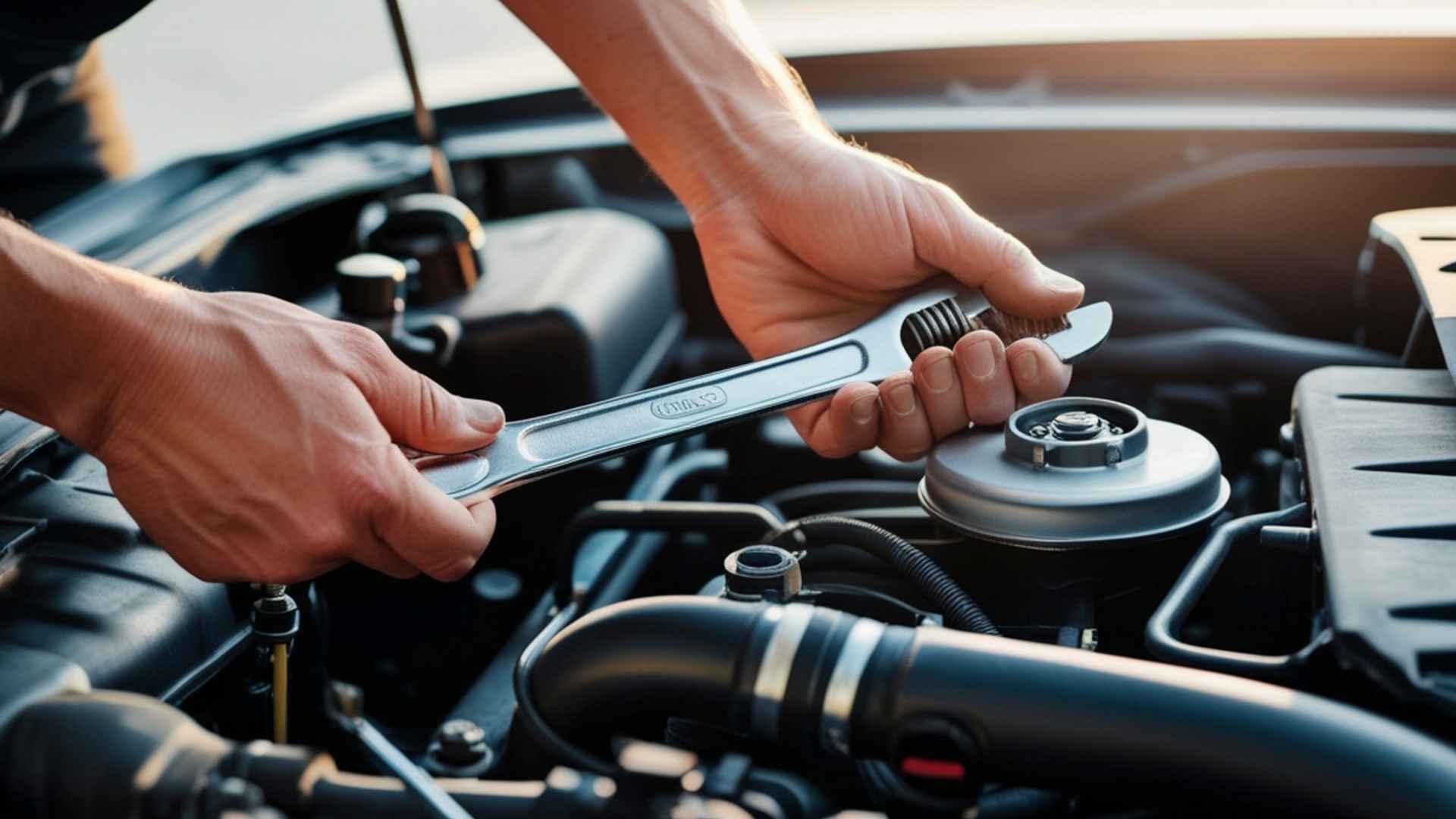
While you focus on keeping the interior cool, you cannot neglect the complex mechanical systems working overtime to keep the vehicle moving. Summer heat puts incredible strain on your engine and its supporting components. High ambient temperatures force your entire cooling system to work harder just to prevent the engine block from overheating during stop-and-go traffic. Hoses and belts are also susceptible to heat rot, becoming brittle and prone to snapping when temperatures peak. Regular visual inspections of these rubber components can save you from a major breakdown on a busy summer afternoon.
Beyond the radiator and cooling system, your car battery is particularly vulnerable to the scorching summer weather. Extreme heat actually evaporates vital battery fluid and accelerates internal corrosion, which is a leading cause of sudden electrical failure. Because modern vehicles have complex electronic systems that are highly sensitive to voltage drops, a weak or discharged 12-volt battery can trigger multiple warning lights or leave you stranded on the side of a highway. Therefore, it is crucial to get a professional electrical inspection and battery test so your car continues running efficiently under the heavy load of constant air conditioning use.
Proactive Steps for Summer Vehicle Protection
Combining daily interior protection with routine under-the-hood maintenance ensures your car remains reliable and comfortable all season long. To keep your vehicle in peak condition through the hottest months of the year, integrate these practical steps into your maintenance routine:
- Monitor your tire pressure: Hot weather causes the air inside your tires to expand rapidly. Check your pressure levels twice a month to prevent overinflation, which can lead to uneven tread wear or a dangerous highway blowout.
- Flush and top off vital fluids: Your engine coolant, transmission fluid, and motor oil are responsible for dissipating mechanical heat. Ensure all fluids are clean, fresh, and filled to their recommended levels.
- Apply interior conditioners: Treat your leather seats, vinyl trim, and plastic dashboard components with a high-quality UV protectant spray. This adds a layer of moisture that prevents drying and cracking.
- Be strategic about parking: Whenever possible, park inside a garage or seek out natural shade from buildings and trees. If you must park in a wide open lot, try to face your vehicle away from the direct path of the intense afternoon sun.
Defending your vehicle from extreme summer weather requires a bit of foresight and regular care. By taking proactive measures to shield your cabin from UV damage and maintaining the critical components under the hood, you can enjoy the summer driving season with total peace of mind. A well-protected car not only looks better and retains its resale value, but it also provides a safer, more comfortable ride for everyone on board.


Post Comment