Common Wear Points and Essential Upgrades for the Nissan Navara NP300
The Nissan Navara NP300 has earned a well-deserved reputation across Australia as a highly versatile dual-cab ute. It seamlessly balances daily driving comfort with the utilitarian demands of weekend off-roading, family touring, and heavy trade work. However, the harsh local environment, combined with the rigorous demands of towing and load carrying, can rapidly accelerate wear and tear on essential components. Australian tracks and outback roads punish both factory suspension setups and standard protective elements. Understanding the common mechanical stress points on this particular model allows owners to perform proactive preventative maintenance and install practical modifications before minor issues develop into major, costly breakdowns out on the trail.
Protecting the Front End and Underbody
When taking a standard Navara off the beaten track, critical components such as the lower fascia, radiator, and engine sump are highly exposed to impact damage. Deep ruts, hidden rocks, and unexpected wildlife strikes can quickly disable a vehicle without proper frontal armour. Equipping your ute with purpose-built Nissan Navara np300 accessories such as a robust steel bull bar and reinforced bash plates is a highly effective way to prevent catastrophic engine damage. These upgrades deflect stray debris, provide much-needed ground clearance, and offer secure mounting points for driving lights and recovery winches. Additionally, upgrading to heavy-duty rock sliders protects the vulnerable side sills from being crushed during technical off-road manoeuvres. This preserves the structural integrity of the cabin and prevents expensive panel damage when navigating tight, rocky gullies.
Fortifying the Suspension for Heavy Loads
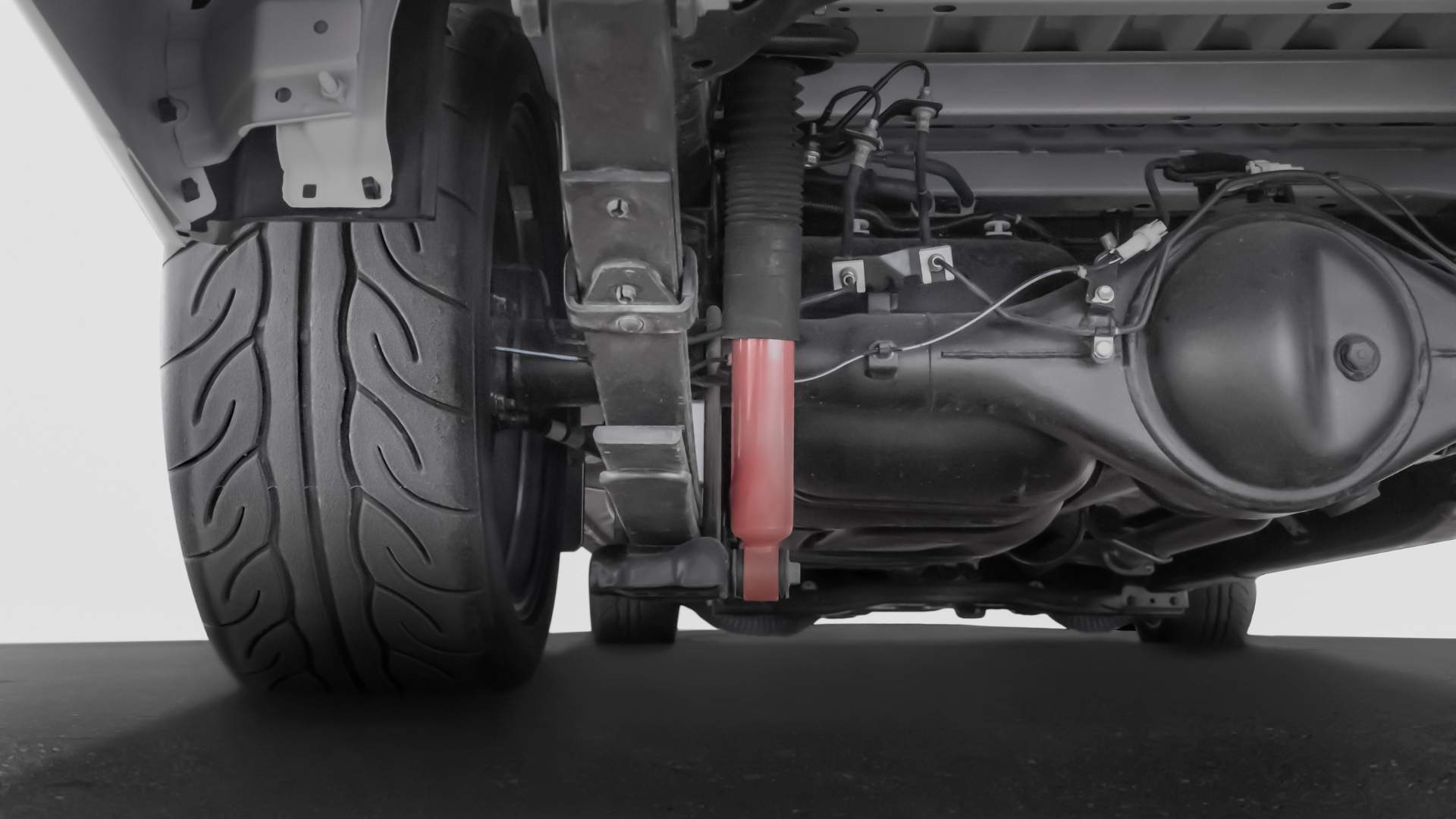
One of the standout features of the NP300 is its sophisticated coil-sprung rear suspension. While this multi-link setup delivers a remarkably smooth and car-like ride when the tub is empty, it is prone to significant sagging when subjected to constant heavy loads, such as fully loaded steel canopies, trade tools, or large caravans. A drooping rear end severely compromises steering geometry, reduces braking efficiency, and accelerates uneven tyre wear. To counteract this common flaw, experienced owners opt for aftermarket suspension kits offering increased spring rates and heavy-duty shock absorbers. If you plan to carry substantial weight permanently, it is crucial to stay within legal payload limits and ensure modifications do not compromise the vehicle’s structural integrity or its official safety ratings. Upgrading your Gross Vehicle Mass (GVM) through a certified suspension kit ensures the chassis and braking systems remain compliant, properly insured, and entirely safe for use on public roads.
Managing Tyres and Traction Off-Road
Navigating soft coastal sand, deep bush mud, or jagged shale requires a significantly larger tyre footprint, meaning you will inevitably need to deflate your tyres. Dropping your tyre pressure improves traction immensely, softens the harsh ride over relentless corrugations, and reduces mechanical strain on your axles and driveline. However, modern dual-cab utes rely on sensitive electronic monitoring systems that immediately detect this sudden drop in pressure. Airing down for the tracks will almost certainly trigger an alert on your dashboard. Knowing how to correctly interpret these electronic warnings is vital for a stress-free trip. Reading a comprehensive troubleshooting guide on how to handle a tire pressure monitor fault helps you resolve or safely ignore the warning while travelling completely off the grid. Once you return to the bitumen, simply re-inflate your tyres to manufacturer specifications using a portable air compressor to reset the system and resume highway driving safely.
Essential Preventative Maintenance Checklist
Practical upgrades and accessories are only half of the equation for long-term vehicle longevity. Routine maintenance must be specifically tailored to how the ute is actually used, rather than relying solely on the standard logbook schedule. If your NP300 spends most of its life exploring dusty dirt roads or regularly negotiates deep, muddy water crossings, you should adopt a much stricter inspection routine.
- Air filtration system: The factory airbox design is susceptible to dust ingress on heavily corrugated roads. Inspect seals regularly, use a snorkel where possible, and replace the internal filter immediately after long, dusty trips.
- Wheel bearings and hubs: Constant exposure to thick mud and abrasive grit rapidly accelerates bearing wear. Listen for a distinct humming or grinding noise at highway speeds and physically check for lateral wheel play by jacking up the vehicle.
- Driveline fluids: If you have crossed deep water, always physically check your front and rear differentials for water contamination. Milky-looking gear oil indicates that water has bypassed the factory breathers, requiring an immediate fluid change.
- Drive belts and pulleys: Silt and fine sand can quickly erode the rubber serpentine belt and damage idler pulleys. Rinse the engine bay carefully with a low-pressure hose after muddy excursions to remove trapped grit.
The Nissan Navara NP300 remains a remarkably capable platform straight off the showroom floor. By proactively addressing its factory load-carrying limitations, protecting its vital mechanical components with quality aftermarket armour, and keeping up with a rigorous preventative maintenance schedule, you can easily ensure your ute remains a reliable workhorse and comfortable tourer for decades to come.


Post Comment