
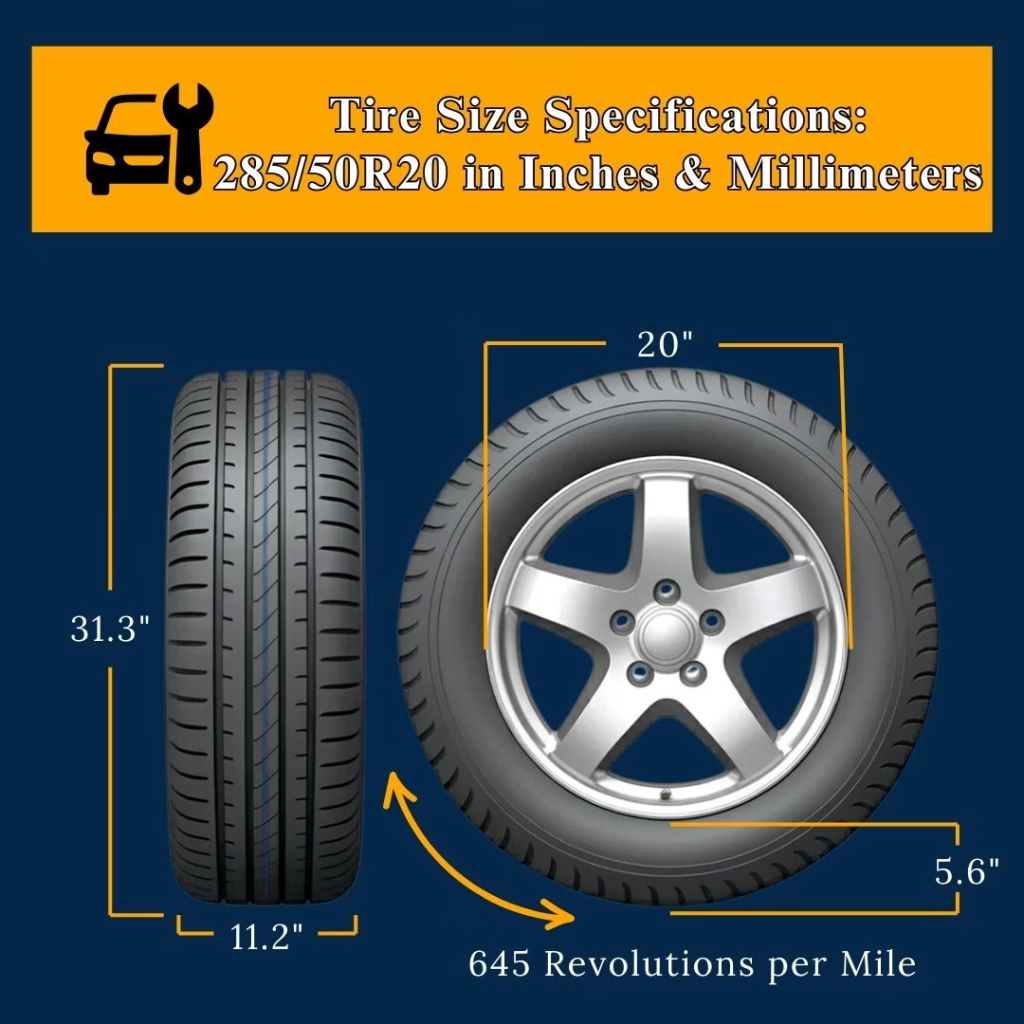
The 285/50R20 tire has an overall diameter of 31.3 inches (795 mm), a tread width of 11.2 inches (285 mm), and fits a 20-inch (508 mm) wheel. Its sidewall height is 5.6 inches (142 mm), with a circumference of about 98.3 inches (2498 mm), giving roughly 644 revolutions per mile (400 per kilometer).
This size delivers a solid balance of traction, comfort, and durability, making it a strong choice for trucks and SUVs used on highways and light off-road terrain.
To learn more about tire sizes and how they affect your vehicle’s performance, you can also explore our other tire guides here.
Tire Size Specifications: 285/50R20 in Inches & Millimeters
Here’s a quick breakdown of the 285/50R20 tire size in both inches and millimeters for easy reference:
| Specification | Inches | Millimeters (mm) |
| Overall Diameter | 31.3″ | 794 mm |
| Sidewall Height | 5.6″ | 143 mm |
| Tire Width | 11.2″ | 285 mm |
| Wheel Diameter | 20″ | 508 mm |
| Circumference | 98.3″ | 2493.2 mm |
| Revolutions per Mile | 645 | 401 per km |
These numbers define the tire’s overall size, helping you determine whether it’s the right fit for your vehicle.
What Does 285/50R20 Mean?
Each part of the 285/50R20 size code has a specific meaning:
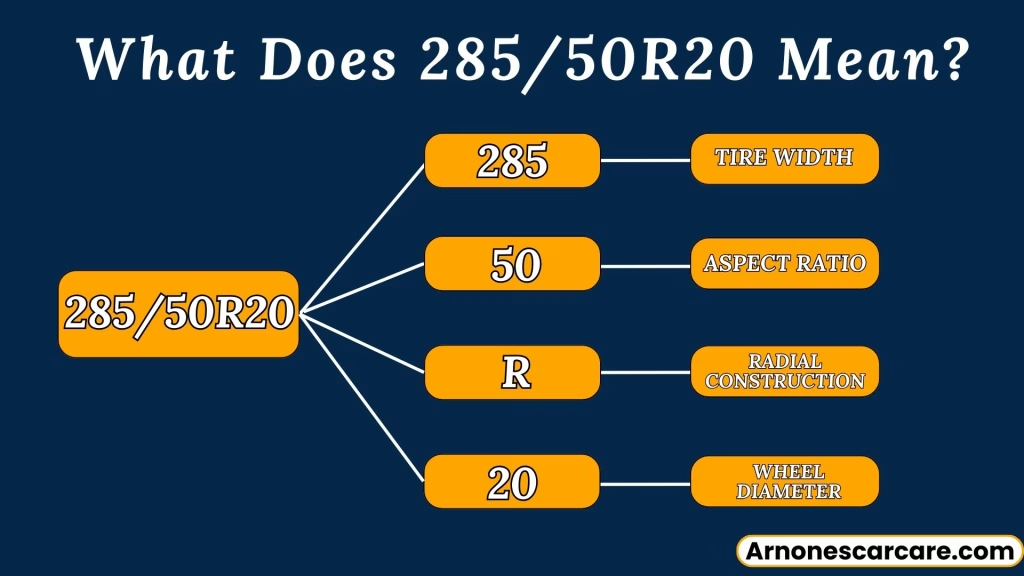
- 285: This refers to the tire width in millimeters. Converting to inches, it measures 11.2 inches wide.
- 50: The aspect ratio, meaning the sidewall height is 50% of the width (which equals 5.6 inches).
- R: Stands for Radial Construction, the most common type of tire today. Radial tires offer better stability, durability, and fuel efficiency.
- 20: This indicates that the tire is designed to fit a 20-inch wheel.
By understanding these numbers, you can easily compare tires and ensure a perfect fit for your vehicle. Up next, we’ll discuss which vehicles use 285/50R20 tires and how they perform on the road!
How to Convert 285/50R20 Tire Size to Inches?
Understanding tire measurements is essential when selecting the right size for your vehicle. While tire sizes are often given in millimeters, converting them into inches can help you better visualize their dimensions. Here’s how you can easily convert 285/50R20 into inches:
Step-by-Step Conversion Process
- Convert the Tire Width
- The first number, 285, represents the width in millimeters.
- To convert to inches, divide 285 by 25.4 (since 1 inch = 25.4 mm).
- 285 ÷ 25.4 = 11.2 inches (tire width).
- Calculate the Sidewall Height
- The second number, 50, is the aspect ratio—meaning the sidewall height is 50% of the tire’s width.
- Multiply 11.2 inches × 0.50 = 5.6 inches (sidewall height).
- Determine the Overall Diameter
- Add twice the sidewall height to the wheel diameter (20 inches).
- (5.6 × 2) + 20 = 31.3 inches (overall diameter).
- Find the Circumference
- Multiply the overall diameter by π (3.1416).
- 31.3 × 3.1416 = 98.3 inches (tire circumference).
- Calculate Revolutions Per Mile
- Divide 1 mile (63,360 inches) by the circumference (98.3 inches).
- 63,360 ÷ 98.3 = 645 revolutions per mile.
By following these calculations, you get the exact 285/50R20 tire size in inches, ensuring the perfect fit for your vehicle.
Which Vehicles Use 285/50R20 Tires?
Choosing the right tire isn’t just about size—it’s also about compatibility. 285/50R20 tires are commonly found on SUVs, trucks, and off-road vehicles, providing a balance between traction, durability, and smooth handling. Here are some vehicles that use 285/50R20 tires:
Common Vehicles That Fit 285/50R20 Tires:
- Full-Size SUVs (Chevrolet Tahoe, GMC Yukon, Ford Expedition)
- Pickup Trucks (Ford F-150, Chevrolet Silverado, Ram 1500)
- Luxury SUVs (Range Rover, Cadillac Escalade, Mercedes-Benz GLE)
- Off-Road & Performance Trucks (Toyota Tundra, Nissan Titan, Jeep Grand Cherokee)
OEM vs. Aftermarket Fitment
- OEM (Original Equipment Manufacturer): If your vehicle comes standard with 285/50R20 tires, replacing them with the same size ensures proper speedometer accuracy and handling.
- Aftermarket Fitment: If you’re upgrading or modifying your tires, make sure to check for clearance issues, as wider tires may rub against the fenders or suspension components.
These tires are ideal for everyday driving, towing, and light off-roading, offering a perfect mix of durability and comfort.

How Does 285/50R20 Compare to Other Tire Sizes?
When shopping for tires, you might come across other similar sizes and wonder how 285/50R20 stacks up against them. Let’s break it down by comparing it to 275/55R20 and 305/45R20 so you can see the differences in width, sidewall height, handling, and overall performance.
285/50R20 vs. 275/55R20: Key Differences
These two sizes are often compared because they both fit 20-inch wheels, but there are some noticeable differences:
| Tire Size | Width | Sidewall Height | Overall Diameter |
| 285/50R20 | 11.2″ (285 mm) | 5.6″ (143 mm) | 31.3″ (794 mm) |
| 275/55R20 | 10.8″ (275 mm) | 6.0″ (152 mm) | 31.9″ (810 mm) |
- Width Difference: The 285/50R20 is wider (11.2″ vs. 10.8″), providing better road grip and cornering stability.
- Sidewall & Comfort: The 275/55R20 has a taller sidewall (6.0″ vs. 5.6″), offering a smoother ride and better absorption of bumps.
- Overall Diameter: The 275/55R20 is slightly larger (31.9″ vs. 31.3″), which could slightly impact speedometer accuracy.
Which One to Choose?
- If you want better handling and a sportier feel, go with 285/50R20.
- If you prioritize ride comfort and better off-road capability, the 275/55R20 might be the better choice.
285/50R20 vs. 305/45R20: Traction, Handling & Fuel Economy
Now, let’s compare 285/50R20 to a 305/45R20, which is another performance-oriented tire size.
| Tire Size | Width | Sidewall Height | Overall Diameter |
| 285/50R20 | 11.2″ (285 mm) | 5.6″ (143 mm) | 31.3″ (794 mm) |
| 305/45R20 | 12.0″ (305 mm) | 5.4″ (137 mm) | 30.8″ (783 mm) |
- Width Difference: The 305/45R20 is wider (12.0″ vs. 11.2″), offering more traction and stability at high speeds.
- Sidewall Height & Ride Comfort: The 305/45R20 has a shorter sidewall (5.4″ vs. 5.6″), making it stiffer but better for performance handling.
- Overall Diameter: The 305/45R20 is slightly smaller (30.8″ vs. 31.3″), which could lead to a slightly harsher ride but improved cornering response.
Which One to Choose?
- If you want better fuel efficiency and comfort, go with 285/50R20.
- If you prefer a wider tire with better grip for high-speed performance, choose 305/45R20.
Best 285/50R20 Tire Brands & Models
If you’re looking for reliable 285/50R20 tires, choosing from top brands can make a big difference in durability, traction, and performance. Here are some of the most trusted brands and what they offer:

1. Michelin 285/50R20 Tires
- Known for longevity, fuel efficiency, and all-season performance.
- Ideal for SUVs and trucks that need a smooth ride.
- Popular models: Michelin Defender LTX M/S, Michelin Latitude Sport 3.
2. Goodyear 285/50R20 Tires
- Great for off-road grip and all-weather driving.
- Designed with rugged tread patterns for better traction.
- Popular models: Goodyear Wrangler All-Terrain Adventure, Goodyear Eagle Touring.
3. Bridgestone 285/50R20 Tires
- Perfect for highway driving with excellent wet and dry traction.
- Focuses on comfort and reduced road noise.
- Popular models: Bridgestone Dueler H/L Alenza Plus, Bridgestone Potenza Sport.
4. Other Brands Worth Considering
- Pirelli Scorpion Verde All Season Plus – Great for fuel efficiency.
- Toyo Open Country A/T III – Best for off-road and rugged terrain.
- Nitto Terra Grappler G2 – Offers a balance between highway and off-road use.
Final Conclusion
Choosing the right 285/50R20 tires is all about balancing performance, comfort, and durability. Whether you’re looking for better traction, a smoother ride, or fuel efficiency, there are plenty of great options available.
By understanding tire size conversions, vehicle fitment, and brand differences, you can make an informed decision that suits your driving needs. Always consider your driving conditions, budget, and tread type before making a purchase. A well-chosen tire enhances safety, improves handling, and ensures long-term value.
For further assistance, if you need help with tire repair, feel free to check out our tire repair services.
FAQs
Q. Can I use 275/55R20 instead of 285/50R20?
Yes, but 275/55R20 has a taller sidewall and slightly smaller width, which may affect handling and speedometer accuracy. Always check fitment before switching.
Q. Are 285/50R20 tires good for off-road driving?
Yes, but it depends on the tread pattern. All-terrain models like the Toyo Open Country A/T III offer better grip on rough terrain.
Q. How long do 285/50R20 tires last?
Lifespan depends on driving habits, road conditions, and tire quality. Premium brands like Michelin and Bridgestone can last 50,000–70,000 miles with proper care.