
If you’re in search of a tire that offers a perfect balance of comfort, durability, and performance, the 275/65R20 tire is an excellent choice, especially for trucks, SUVs, and larger vehicles. With a width of 10.8 inches (275 mm) and an overall diameter of 34.1 inches (866 mm), these tires provide superior traction, making them suitable for both on-road and light off-road adventures.
The 7-inch sidewall height ensures a smoother ride by absorbing shocks and bumps, while its radial construction (indicated by the “R” in the size) guarantees strength and flexibility. Whether you’re navigating through rough terrains or cruising down highways, the 275/65R20 tire delivers reliable performance with enhanced grip and comfort.
In this guide, we’ll dive into the specifics of the 275/65R20 tire, covering its key dimensions, lifespan, all-terrain capabilities, and much more. Keep reading to understand why this tire size is a top choice for those seeking a versatile and durable solution for their vehicle.
What Does 275/65R20 Mean?
The 275/65R20 tire size refers to the dimensions and construction of the tire. Here’s a quick breakdown:
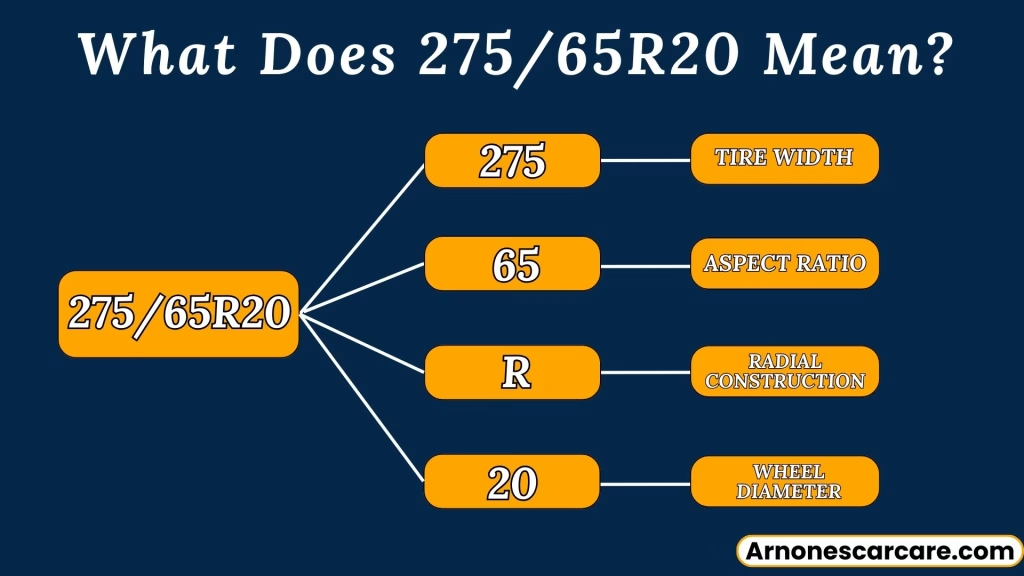
- 275: Refers to the tire’s width in millimeters, which is 275 mm (or 10.8 inches).
- 65: This number is the aspect ratio, meaning the sidewall height is 65% of the tire’s width, which gives a sidewall height of approximately 7 inches.
- R: Stands for radial construction, the most common type used in tires today.
- 20: Represents the diameter of the wheel that the tire is designed to fit, which is 20 inches.
Understanding this breakdown helps in selecting the correct tire for your vehicle, as it directly impacts fitment, performance, and safety.
Key Specifications of 275/65R20 Tires
The 275/65R20 tire size is commonly used for trucks, SUVs, and larger vehicles, offering a blend of comfort, durability, and performance. Understanding the key specifications of this tire is crucial for selecting the right fit for your vehicle. These dimensions impact handling, clearance, and overall driving experience, from tire width to revolutions per mile. Below is a breakdown of the essential specifications:
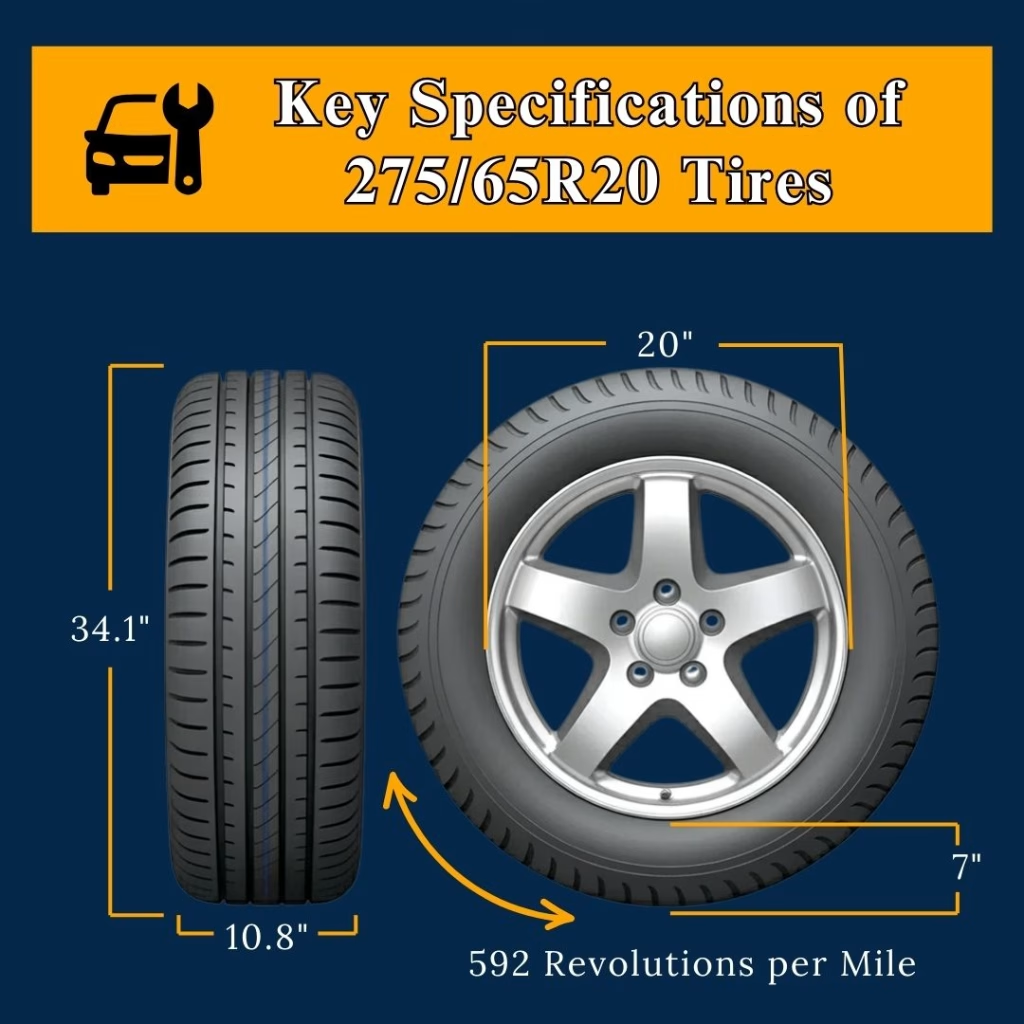
| Specification | Value (Inches) | Value (Millimeters) |
| Sidewall Height | 7 inches | 179 mm |
| Wheel Diameter | 20 inches | 508 mm |
| Width | 10.8 inches | 275 mm |
| Revolutions per Mile | 592 | 368 per kilometer |
| Circumference | 107.1 inches | 2719.2 mm |
| Overall Diameter | 34.1 inches | 866 mm |
These specifications are essential for understanding how the tire will affect your vehicle’s handling, comfort, and clearance. The sidewall height and width contribute to the tire’s performance, while the wheel diameter determines compatibility with your vehicle’s rims.
How to Convert 275/65R20 Into Inches?
Converting the 275/65R20 tire size into inches is straightforward. Follow these steps:
- Tire Width:
- Convert millimeters to inches:
275 mm÷25.4=10.8 inches275 \, \text{mm} \div 25.4 = 10.8 \, \text{inches}275mm÷25.4=10.8inches
- Convert millimeters to inches:
- Sidewall Height:
- Multiply the width by the aspect ratio:
10.8 inches×0.65=7 inches10.8 \, \text{inches} \times 0.65 = 7 \, \text{inches}10.8inches×0.65=7inches
- Multiply the width by the aspect ratio:
- Wheel Diameter:
- The wheel diameter is 20 inches and remains unchanged.
So, the 275/65R20 tire size is approximately 10.8 inches wide, 7 inches tall, and designed to fit a 20-inch wheel.
How Long Do 275/65R20 Tires Last?
The lifespan of a 275/65R20 tire isn’t fixed and depends on several factors, including the type of tire, driving habits, and maintenance. Tire manufacturers typically offer a mileage warranty, which can range from 50,000 to 70,000 miles. However, the actual lifespan varies based on the tire’s construction, driving conditions, and how the vehicle is maintained.
Here’s what affects the tire’s lifespan:
- Mileage Warranty:
The manufacturer guarantees how long the tire’s tread will last, often ranging from 50,000 to 70,000 miles for this tire size. - Tread Compound:
The material used for the tread impacts durability. High-quality, wear-resistant compounds like those found in tires such as the Toyo Open Country H/T II can lead to longer-lasting tires. - Tire Type:
Different types of tires—such as all-season, all-terrain, or winter tires—wear out at different rates. For example, all-terrain tires generally have a different tread wear pattern compared to highway tires. - Tread Design:
Features like adaptive grooves or multi-wave sipes improve traction and reduce road noise, which can help the tire last longer by providing smoother wear. - Driving Style:
Aggressive driving, such as frequent hard braking or fast acceleration, can wear out tires much quicker than driving conservatively. - Vehicle Care:
Proper vehicle maintenance, including keeping tires properly inflated and rotating them regularly, ensures even wear and can extend the life of the tire.
By keeping these factors in mind, you can maximize the lifespan of your 275/65R20 tires and enjoy better performance throughout their use.
275/65R20 All-Terrain Tires: Versatility for Road and Off-Road Use
275/65R20 all-terrain tires strike a great balance between comfort, traction, and durability, making them perfect for both highway driving and light off-roading.
Smooth Ride on Paved Roads
- Stable Handling: The 10.8-inch width ensures a stable, comfortable ride on highways, reducing skidding in wet conditions.
- Quiet Ride: The tread design also helps minimize road noise for a smooth journey.
Tackling Gravel and Dirt Roads
- Enhanced Traction: The wide tread improves grip on loose surfaces like gravel and dirt.
- Good Ground Clearance: The 34.1-inch diameter offers clearance to avoid rocks and debris, while the sidewalls absorb shocks for a smoother ride.
Light Off-Roading Capabilities
- Moderate Off-Road Use: Perfect for camping, hunting, or light off-roading, these tires handle mud, sand, and small rocks with ease.
- Comfort: The 7-inch sidewall adds cushion for uneven terrain.
Limitations for Extreme Off-Roading
- Not for Extreme Conditions: For muddy or rocky trails and steep inclines, more aggressive tires with deeper treads are recommended.
In short, the 275/65R20 all-terrain tire is ideal for daily driving and light off-roading but may not handle extreme off-road conditions as well as more specialized tires.
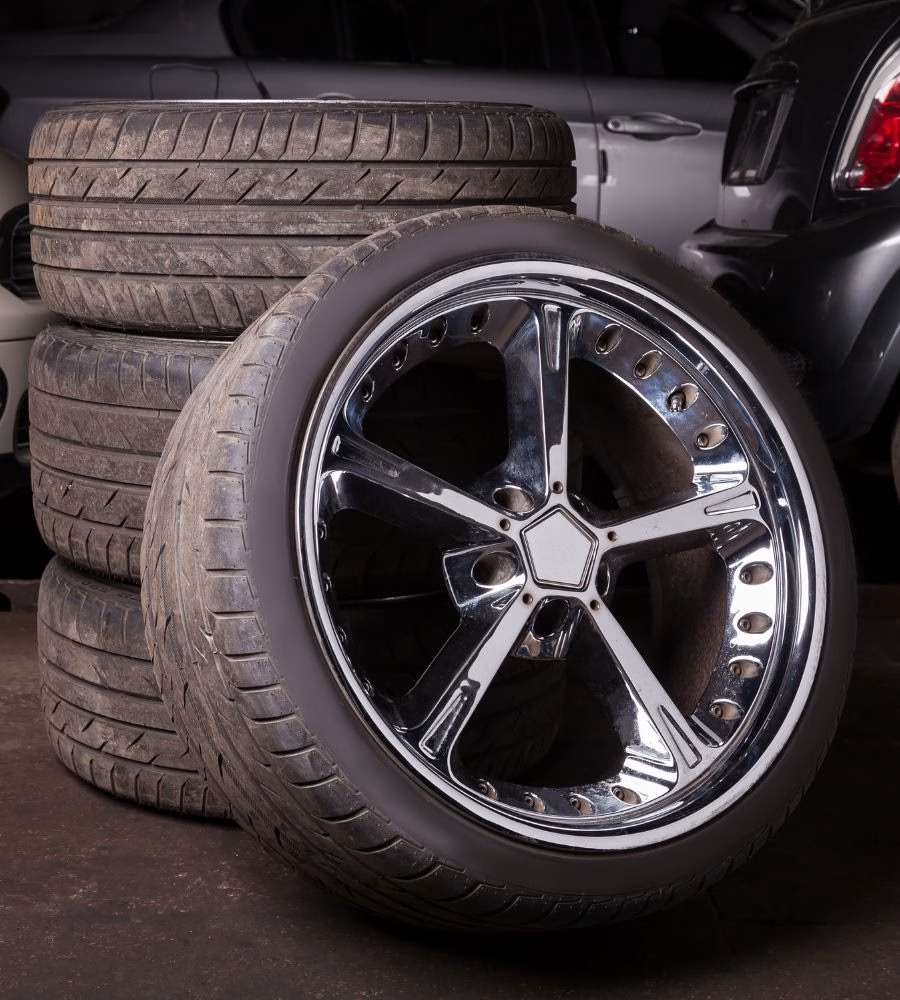
Load Capacity and Ply Rating: Understanding Tire Strength
The load capacity and ply rating of a tire are vital for determining its ability to carry weight and withstand stress.
Load Index
The load index, like 126/123, indicates the maximum weight a tire can carry. For example, a 126/123 load index means each tire can support up to 3,640 lbs (1,650 kg). Choosing the right load index is crucial, especially for vehicles that tow or carry heavy loads.
Ply Rating
The ply rating shows the tire’s strength and resistance to deformation under load. A Load Range E (10-ply) tire is designed for heavy-duty use, making it ideal for trucks and SUVs that carry or tow heavy loads.
Why It Matters
Selecting the right load capacity and ply rating ensures safety, performance, and tire longevity, especially when the vehicle is under heavy stress.
Tire Speed Ratings and Their Importance
Understanding the speed rating of your tire is important for maintaining performance and safety. A tire’s speed rating indicates the maximum speed it can safely handle over time. Tires with higher speed ratings offer better handling and stability at higher speeds, but they may not provide additional benefits unless you frequently drive at high speeds.
- Speed Ratings (Common Examples):
- P-Rated: Up to 94 mph
- S-Rated: Up to 112 mph
- T-Rated: Up to 118 mph
275/65r20 vs Other Tire Sizes: Key Differences
Always match the tire’s speed rating with your vehicle manufacturer’s recommendations to ensure safety and optimal performance.
1. 275/65R20 vs. 275/60R20
- Overall Diameter: The 275/65R20 has a diameter of 34.07 inches, while the 275/60R20 measures 32.99 inches. This results in a 1.08-inch (3.3%) increase in diameter for the 275/65R20, offering slightly more ground clearance.
- Sidewall Height: The 275/65R20 features a 7.04-inch sidewall, compared to 6.5 inches in the 275/60R20. This additional sidewall height can enhance ride comfort by absorbing more road imperfections.
- Fuel Efficiency & Handling: The 275/60R20, being slightly smaller and lighter, may offer marginally better fuel efficiency and more responsive handling due to reduced rolling resistance.
2. 275/65R20 vs. 35/12.50R20
- Overall Diameter: The 35/12.50R20 measures 35.02 inches in diameter, which is 0.95 inches (2.8%) taller than the 275/65R20.
- Width: The 35/12.50R20 is significantly wider at 12.52 inches, compared to the 275/65R20’s 10.83 inches. This substantial increase in width can enhance off-road flotation but may affect on-road handling and fuel efficiency.
- Vehicle Modifications: Installing 35/12.50R20 tires typically necessitates significant modifications, such as a lift kit, to accommodate the larger size without causing rubbing or clearance issues.
How to Ensure Vehicle Compatibility with 275/65R20 Tires?
When selecting 275/65R20 tires, it’s essential to ensure they are compatible with your vehicle for optimal performance and safety.
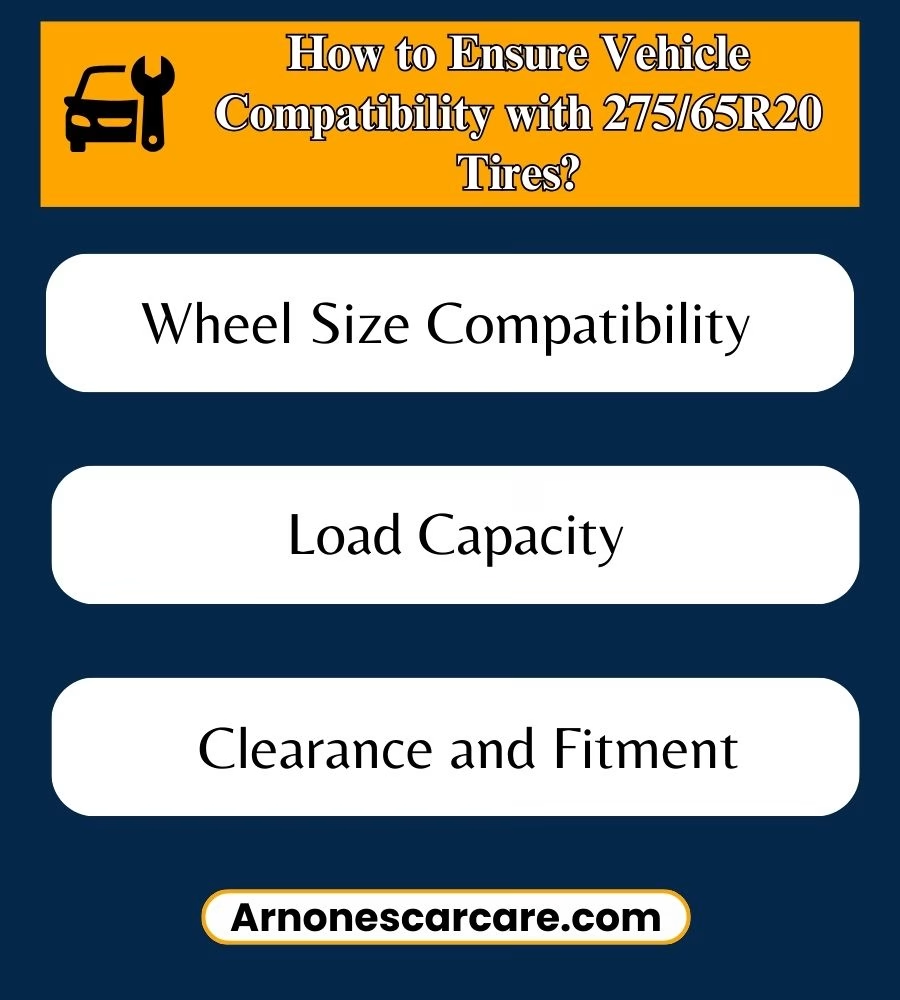
Wheel Size Compatibility
This tire fits a 20-inch wheel. Confirm that your vehicle’s rims are the correct size for a proper fit.
Load Capacity
With a load capacity of 3,640 lbs (1,650 kg) per tire, the 275/65R20 is suitable for trucks and SUVs. Ensure the tire meets your vehicle’s load and towing needs.
Clearance and Fitment
The tire’s 34.1-inch diameter requires sufficient wheel well clearance. Check that your vehicle can accommodate this size.
In short, confirm wheel size, load capacity, and clearance to ensure 275/65R20 tires are the right fit for your vehicle.
Key Performance Features of 275/65R20 Tires
The 275/65R20 tire delivers a well-rounded performance, making it ideal for trucks and SUVs. Here’s how it performs:
- Traction and Grip:
- Provides excellent grip on wet and dry surfaces.
- Ideal for off-road driving, improving handling on challenging terrains.
- Comfort and Ride Quality:
- 7-inch sidewall helps absorb shocks and provides a smoother ride.
- Enhances comfort, especially on uneven or rough roads.
- Durability and Longevity:
- Made with durable tread compounds for longer tread life.
- Suitable for heavy-duty use, carrying heavy loads or towing.
- Fuel Efficiency:
- Optimized for highway driving, offering a balance between performance and fuel efficiency.
- Lower rolling resistance compared to larger off-road tires.
In short, the 275/65R20 tire offers great traction, comfort, durability, and fuel efficiency, making it perfect for a variety of driving needs.
Common Uses and Applications of 275/65R20 Tires
The 275/65R20 tire is versatile, commonly found on a wide range of vehicles due to its excellent performance and durability. Here’s where this tire size is typically used:
- Light Trucks and SUVs:
- Perfect for full-size trucks and SUVs that require a balance of comfort, off-road capability, and towing strength.
- Towing and Hauling:
- Ideal for vehicles that frequently tow trailers or heavy loads, providing strong durability and stability.
- Off-Road and All-Terrain Vehicles:
- A popular choice for off-road vehicles that need enhanced traction and shock absorption while navigating rugged terrains.
- Commercial Vehicles:
- Suitable for commercial trucks and other heavy-duty vehicles that carry large cargo or require constant hauling.
In summary, the 275/65R20 tire is commonly used for light trucks, SUVs, towing, and off-road applications, offering excellent traction, durability, and load-bearing capacity for a variety of needs.
Top 275/65R20 Tire Models for Performance and Durability
The 275/65R20 tire size is popular among truck and SUV owners due to its strength, durability, and versatility. Here are some of the top tire models in this size, known for their reliability and performance:
- Toyo Open Country H/T II:
- A highway terrain tire offering excellent comfort, low road noise, and long-lasting tread. Ideal for daily driving and light off-road use.
- Michelin LTX A/T2:
- An all-terrain tire that balances off-road performance with on-road comfort. Known for its durability, it is great for towing and light off-road adventures.
- Goodyear Wrangler TrailRunner AT:
- This all-terrain tire offers strong traction on both wet and dry surfaces. It is designed for those who want a balance between off-road capability and on-road comfort.
- BFGoodrich All-Terrain T/A KO2:
- A rugged, all-terrain tire built for off-road adventures. With tough sidewalls and excellent traction, it’s perfect for heavy-duty trucks and SUVs used in off-road conditions.
In summary, these popular 275/65R20 tire models like the Toyo Open Country H/T II, Michelin LTX A/T2, Goodyear Wrangler TrailRunner AT, and BFGoodrich All-Terrain T/A KO2 offer a mix of performance, comfort, and durability for various driving conditions, from highway commuting to off-road excursions.
For additional details on tire repair, feel free to explore our professional tire repair services.
Frequently Asked Questions
Q. How tall is a 275/65R20 tire?
The 275/65R20 tire has an overall height (diameter) of approximately 34.1 inches (866 mm). This height can slightly vary depending on the tire’s make and model, and the inflation pressure.
Q.. How wide is a 275/65R20 tire?
A 275/65R20 tire has a width of 10.8 inches (275 mm). This width helps provide good stability and a smooth ride, making it ideal for trucks and SUVs that need a solid footing on both highways and rough terrains.
Q. How long do 275/65R20 tires last?
The lifespan typically ranges from 50,000 to 70,000 miles, depending on driving habits, road conditions, and tire maintenance.
Q. Can 275/65R20 tires handle off-roading?
Yes, they provide good traction on light off-road conditions like gravel, dirt, and mud, but aren’t ideal for extreme off-roading.
Q. What is the load capacity of 275/65R20 tires?
These tires generally have a load capacity of 3,640 lbs (1,650 kg) per tire, making them suitable for heavy-duty trucks and towing.
Q. Are 275/65R20 tires suitable for winter driving?
While they offer good traction, they are not specifically designed for extreme winter conditions. All-terrain tires may perform better in mild winter weather but winter tires are a better option for snow and ice.