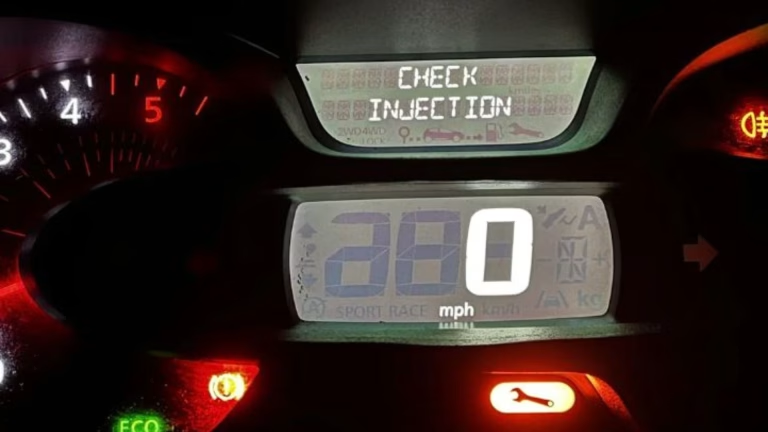


When considering a used Mitsubishi ASX, it’s essential to know the Mitsubishi ASX years to avoid. Models from 2011 to 2018 are known for issues like engine stalling, excessive oil consumption, and CVT transmission failures, leading to costly repairs.
pecific regional concerns, such as engine belt failures in Australia, electrical component malfunctions in Malaysia, and brake issues in the UK, further complicate the decision-making process. Understanding these problems and their solutions can save buyers from recurring maintenance headaches and ensure a smoother ownership experience.
What Does ASX Stand For?
ASX stands for “Active Sports Crossover”, a name that reflects its blend of sporty handling and SUV practicality.
- The Mitsubishi ASX sits below the Outlander in Mitsubishi’s SUV lineup, making it a more compact and city-friendly option.
- It shares its GS platform with the Mitsubishi Lancer and Outlander, meaning it has similar engineering but in a smaller package.
- In recent years, the European version of the ASX (2023 onward) has been a rebadged Renault Captur, while a second-generation ASX is expected by 2025.
Major Problems in Mitsubishi ASX Models
While newer Mitsubishi ASX models have improved in reliability, older models tend to develop significant functional issues over time. Many owners report that after driving 155,000 to 186,000 miles, problems commonly appear in the engine, air filter, and transmission system, leading to a decline in performance.
Some of the most common issues include:
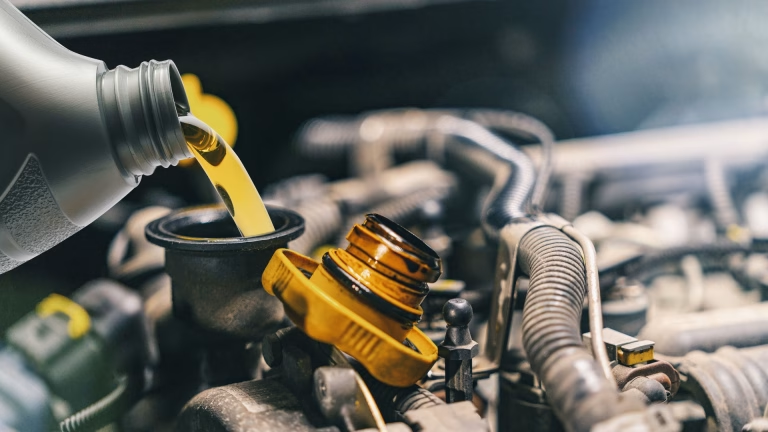
- Engine oil problems: Can lead to low oil levels and engine damage if not addressed.
- Malfunctioning Fuel Sensor: Causes inaccurate fuel readings, leading to unexpected stalls.
- Excessive Oil Consumption: Requires frequent top-ups and may indicate deeper engine issues.
- Transmission Fluid Leaks: Affects gear shifting and overall driving smoothness.
- Electrical System Failures: Includes alternator problems, battery drain, and faulty wiring.
- Worn-Out Ball Joints: Leads to poor handling and suspension issues.
- Faulty Steering Pump: Makes steering difficult, increasing the risk of accidents.
Mitsubishi ASX Years to Avoid (2011-2018)
While the ASX has its strengths, some model years have been plagued with reliability issues, making them riskier choices for buyers. The 2011-2018 ASX models are particularly known for problems related to the engine, transmission, electronics, and suspension.
Below is an overview of common problems linked to specific Mitsubishi ASX model years:
Model Years & Common Issues
2011 ASX
- Transmission failures
- High fuel consumption
- Electronic circuit issues
- Solution: Regular maintenance
2012 ASX
- Transmission failure
- Engine stalling
- CVT system malfunction
- Solution: Timely servicing
2013 ASX
- Engine oil problems
- CVT system problems
- Excessive fuel consumption
- Solution: Proper car maintenance
2014 ASX
- Electronic system failure
- CVT problems
- Increased fuel consumption
- Solution: Routine servicing
2015 ASX
- Wear and tear
- Transmission failures
- Suspension problems
- Fluid leaks
- Solution: Proper car maintenance
2016 ASX
- Air conditioning system issues
- Wear and tear on components
- Infotainment system glitches
- Solution: Scheduled servicing
2017 ASX
- Air conditioning problems
- High fuel consumption
- Coolant system failures
- Solution: Timely check-ups
2018 ASX
- Transmission defects
- Engine performance issues
- CVT failures
- Solution: Regular servicing
Recommendation: Verify transmission has been serviced according to manufacturer recommendations and ensure all engine timing chain components are intact.
Many owners have reported that these years require frequent and expensive maintenance, making them less desirable options compared to 2019 and newer models, which have seen improvements in reliability.
Up next, we’ll dive deeper into each of these common problems and how they impact the Mitsubishi ASX’s performance.
Major Mitsubishi ASX Problems and Solutions
While the Mitsubishi ASX is a reliable compact SUV for many, certain model years (2011-2018) have experienced recurring mechanical and electrical issues. Below, we’ll break down the most common problems reported by owners and provide practical solutions to keep your ASX running smoothly.
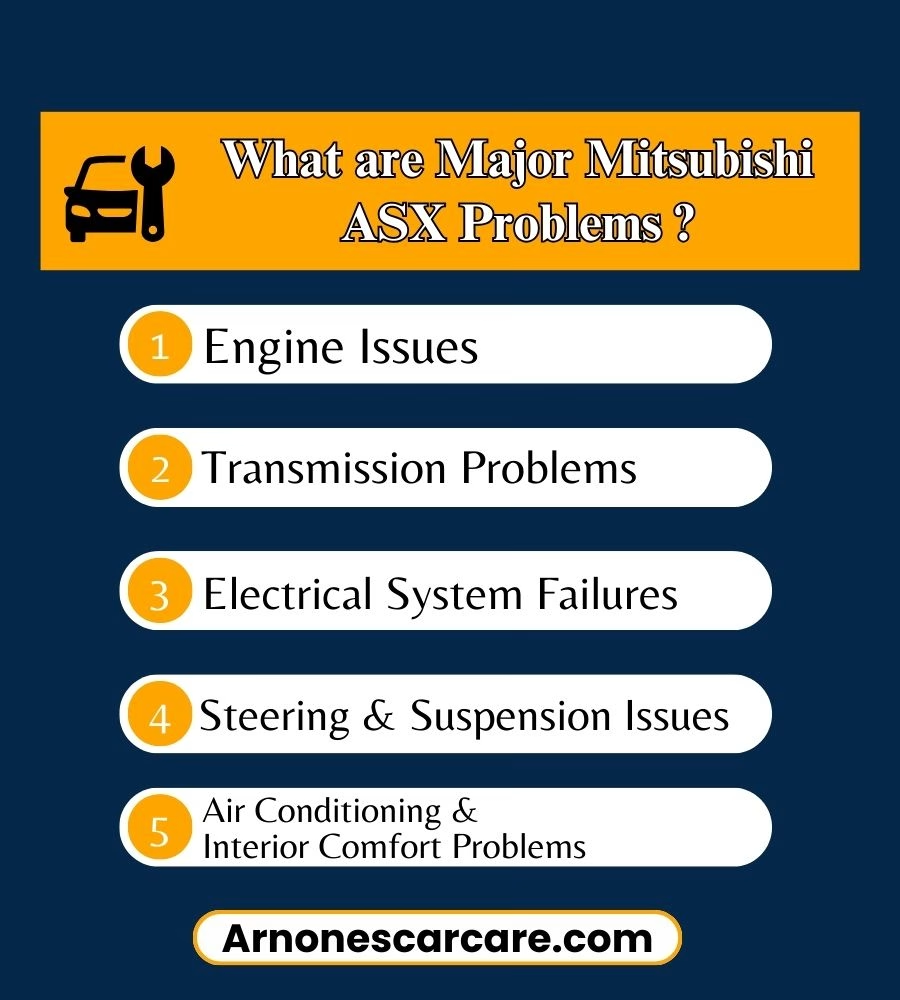
1. Engine Issues
Many ASX owners have faced engine-related problems, ranging from excessive oil consumption to overheating and oil leaks. These issues can lead to reduced engine performance, increased fuel consumption, and costly repairs.
Common Engine Problems
- Excessive oil consumption: Increased fuel usage is often linked to fuel pump malfunction.
- Oil leaks from faulty gaskets and seals
- Overheating due to cooling system malfunctions
- Oxygen sensor failure can cause poor fuel efficiency and engine malfunctions.
- Engine stalling: Due to electrical circuit issues and insufficient lubrication, especially in older models
Solutions
- Monitor oil levels regularly, checking every 1,000 miles
- Replace faulty oxygen sensors when the check engine light appears
- Maintain the cooling system with scheduled coolant flushes every 60,000 miles
- Replace worn gaskets and seals at the first sign of oil leaks
- Update engine management software if available from dealer
2. Transmission Problems (CVT & Manual)
The costly repair of the transmission system in Mitsubishi is very problematic for ASX owners. One of the biggest complaints about the Mitsubishi ASX (2011-2018) is its CVT (Continuously Variable Transmission) issues. Many owners report jerking, overheating, and complete transmission failure. Manual versions aren’t immune either, with some suffering from gear slipping and clutch wear.
Common Transmission Problems:
- CVT jerking and hesitation: A continuous CVT shudder occurs due to excessive pressure on the belt and pulleys, leading to a decline in engine efficiency.
- Overheating: Incomplete combustion raises the temperature, causing the transmission system to overheat.
- Gear slipping, making it difficult to drive smoothly
- Delayed response when shifting gears
Solutions:
- Change transmission fluid every 30,000 miles (more frequently than Mitsubishi’s recommendation).
- Software updates to fix CVT tuning issues
- Professional servicing if you notice slipping, jerking, or overheating
3. Electrical System Failures
Electrical faults are another frustrating issue in some ASX models, affecting everything from the battery to the infotainment system, especially during long drives or in cold weather. Some of the most frequent battery-related problems are:
Common Electrical Problems:
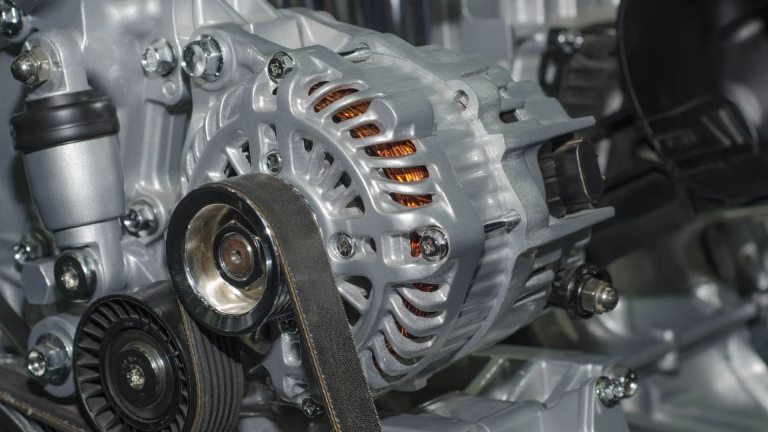
- Battery drain as the alternator wears out, the battery drains faster, leading to poor performance of electronic components.
- Faulty alternator, causing charging system failures
- Infotainment system glitches, like frozen screens and unresponsive touch controls
Solutions:
- Battery and alternator inspections to ensure proper charging
- Software updates for infotainment system bugs
- Check wiring connections if experiencing electrical failures, as mentioned in resources like fuel injection system.
4. Steering & Suspension Issues
The steering and suspension system on some ASX models can develop problems over time, making driving less comfortable and less safe. However, many Mitsubishi ASX owners report faulty steering boxes, damaged hoses, unusual noises while turning, and difficulty with gear engagement.
Common Steering & Suspension Problems:
- Faulty power steering pumps, making it harder to steer and this happens due to low lubrication and inadequate steering fluid levels.
- Worn-out ball joints and control arms, leading to vibrations
- Unstable handling and alignment issues, the steering wheel and vehicle wheels may not be properly synchronized, making it hard to maintain control and causing alignment issues.
Solutions:
- Check power steering fluid level and condition every 15,000 miles
- Inspect suspension components during regular service intervals
- Perform wheel alignment annually or after hitting significant potholes
- Replace worn components at first sign of unusual handling or noise
5. Air Conditioning & Interior Comfort Problems
Another common complaint from Mitsubishi ASX owners is air conditioning failures and infotainment malfunctions, making long drives uncomfortable and leading to poor cooling and lukewarm air output, making driving uncomfortable, especially in hot weather.
Common AC & Interior Issues:
- AC compressor failure, if you notice oil leaks or receive an ECU error notification, the compressor may need replacement.
- Refrigerant leaks, causing the AC to blow warm air
- Touchscreen freezing, making infotainment unusable
Solutions:
- Have A/C system inspected annually before hot weather season
- Recharge refrigerant when needed and check for leaks
- Keep infotainment system software updated
- Run A/C system regularly, even in winter, to maintain component lubrication
Note
The air conditioning system should be replaced after 10-15 years or 1 year, or 12,000 miles. After 7 years of use, internal circuits degrade, leading to reduced cooling efficiency.
Mitsubishi ASX Years to Avoid by Country
When purchasing a used Mitsubishi ASX, it’s essential to be aware of specific model years that have been linked to recurring issues in different countries. Below is a breakdown of which years to avoid and the most common problems reported in various regions. Before making a purchase, always check for recalls and conduct a detailed inspection to ensure reliability.
Mitsubishi ASX Years to Avoid by Region
While the Mitsubishi ASX has been sold globally, some regions have reported specific reliability issues. Here’s a breakdown of the problematic model years and their common faults by country.
Australia
- Problematic Years: 2010-2014
- Common Issues:
- Engine belt failures
- Rust in brake components (affecting parking brakes)
- Wiper pivot corrosion impacting functionality
South Africa
- Problematic Years: N/A
- Common Issues: No specific problematic years reported
Malaysia
- Problematic Years: 2010-2012
- Common Issues:
- Engine and transmission reliability concerns
- Rust issues
- Electrical component failures
United Kingdom (UK)
- Problematic Years: 2010-2012
- Common Issues:
- Sticking brake pedals
- Engine stalling
- Faulty tailgate gas struts
- Multiple recalls
Tips to Maintain the Peak Performance of Your Mitsubishi ASX
To keep your Mitsubishi ASX running at its best, follow these essential maintenance tips:

- Regular Cleaning & Lubrication: Prevents premature wear and tear on key components.
- Frequent Oil Changes: Replace engine oil every 7,500 to 10,000 miles to ensure smooth performance.
- Gentle Driving Habits: Avoid aggressive acceleration and sudden braking to reduce strain on the engine and transmission.
- Routine Inspections: Catch and fix potential issues early through scheduled check-ups.
- Check Belts & Hoses: Prevent unexpected breakdowns by inspecting for cracks or leaks.
- Monitor Exhaust & Fuel Consumption: Watch for any unusual smoke or a sudden drop in fuel efficiency, which could indicate underlying problems.
Review for Mitsubishi ASX
The Mitsubishi ASX is a compact SUV that balances practicality, affordability, and modern features. It offers reliable performance and a comfortable driving experience, making it a great option for those in need of a versatile and budget-friendly vehicle.
For a detailed review, watch the video below:
Get Reliable Mitsubishi ASX Services Today!
If you’re dealing with issues in your Mitsubishi ASX model, don’t stress! We offer reliable and expert services to address all ASX-related problems, ensuring your vehicle runs smoothly and safely. Book your appointment today and trust us to get your car back on the road with confidence!
FAQ’s
Q. What’s the most common ASX problem?
One of the most common ASX problems is CVT transmission failure, particularly in 2011-2015 models. Other frequent issues include excessive oil consumption, faulty oxygen sensors, and electrical glitches.
Q. How to Fix the Transmission System Problem in Mitsubishi?
First, inspect the transmission fluid level, identify any leakage, and then opt for maintenance service to reset the transmission system accurately.
Q. How long does a Mitsubishi ASX last?
With regular maintenance, a Mitsubishi ASX can last 200,000-250,000 km (125,000-155,000 miles) or 10-15 years. However, CVT models may require expensive repairs if the transmission isn’t serviced properly
Q. Is the Mitsubishi ASX expensive to maintain?
The ASX has average maintenance costs compared to other compact SUVs. Regular services like oil changes, brake pad replacements, and battery checks are affordable, but major repairs (e.g., transmission or engine issues) can be costly, especially in older models.
Q. Is the Mitsubishi ASX safe?
Yes, the Mitsubishi ASX is generally considered a safe SUV, but its safety rating depends on the model year and region.