
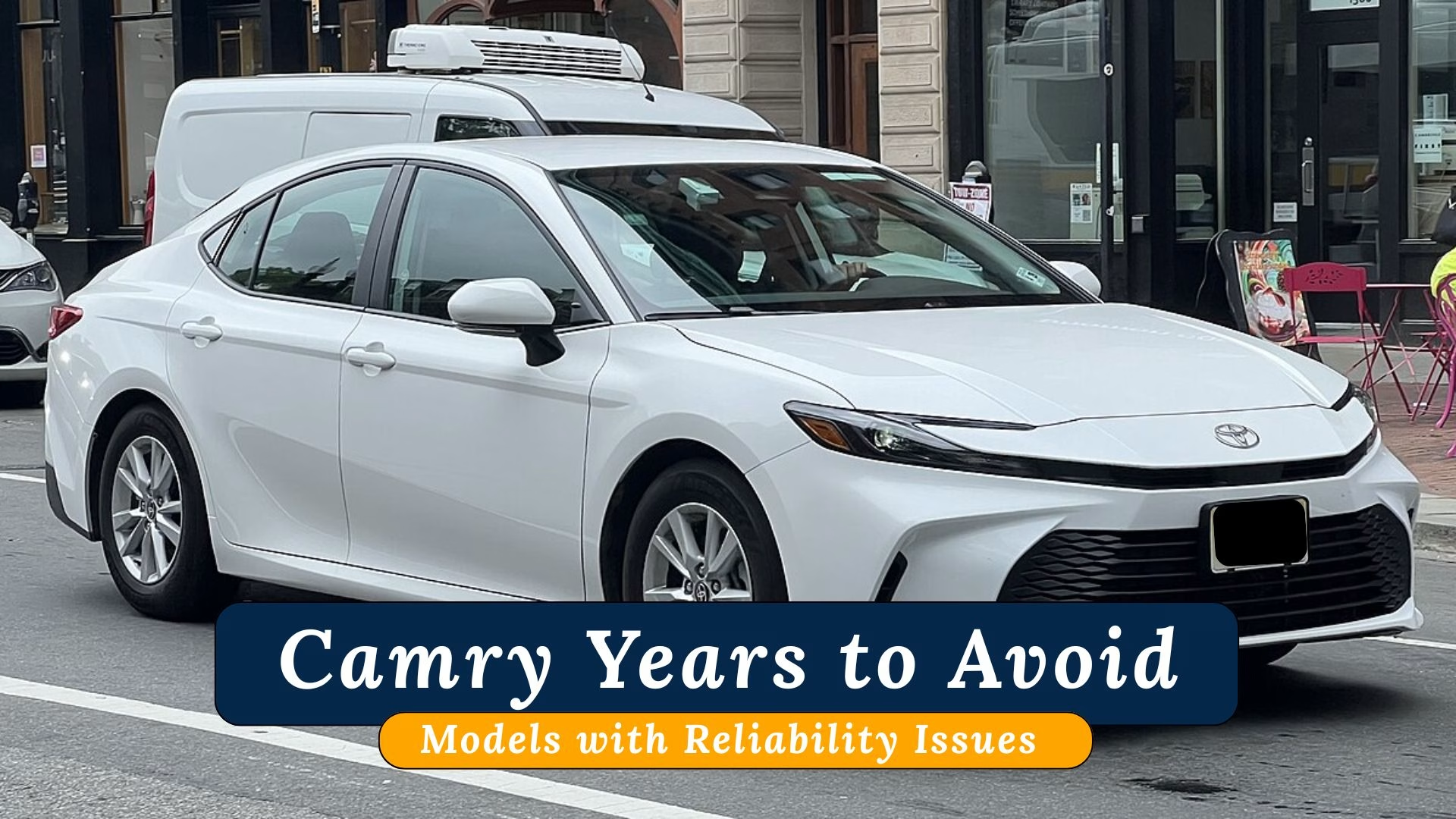
The Toyota Camry is renowned for its reliability, but not all model years live up to this reputation. Certain years, particularly 2002, 2007-2009, 2010-2011, 2012, and 2018-2019, have been plagued by mechanical and safety issues, making them less desirable for buyers. Common problems include excessive oil consumption, transmission failures, unintended acceleration, braking system malfunctions, and costly engine repairs, which can lead to significant long-term expenses.
Factors like design flaws, electronic throttle control issues, and manufacturing changes contributed to these reliability concerns. Understanding which Camry years to avoid helps buyers make informed decisions and steer clear of problematic models that could result in expensive repairs and safety risks.
What are Toyota Camry Model Years to Avoid?
The Toyota Camry is known for its reliability, but some model years had significant issues that made them less desirable. Below, we discuss the worst Camry years and their key problems, helping you make an informed decision.
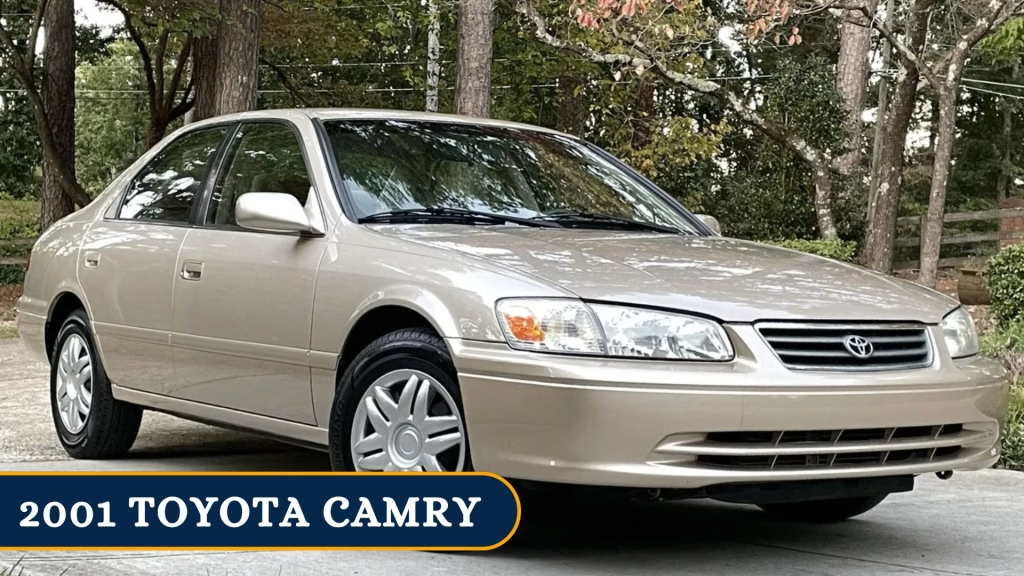
2001 Toyota Camry
The 2001 Camry, part of the fourth generation, faced serious transmission and oil sludge problems, making it one of the worst years.
| Issues | Details |
| Transmission Problems | Transmission failures were common, requiring costly repairs. |
| Oil Sludge Issues | Poor engine design led to excessive sludge buildup. |
| High Maintenance Costs | Repairs and replacements were often expensive. |
2007-2009 Toyota Camry
These years were particularly bad due to persistent oil consumption and engine problems, leading to a high number of complaints.
| Issues | Details |
| Oil Consumption Issues | Engines burned oil excessively, leading to engine failures. |
| Recurring Mechanical Problems | Owners reported frequent and costly repairs. |
| High Complaint Volume | Large number of complaints registered on consumer sites. |
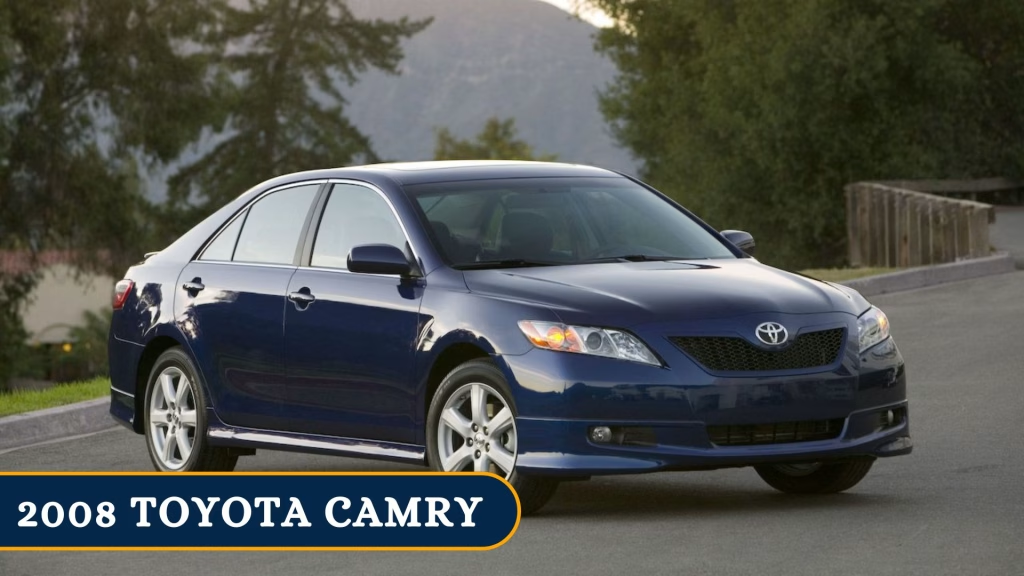
2008 Toyota Camry
Like the 2007 model, the 2008 Toyota Camry suffered from excessive oil consumption, which led to a high number of complaints. Additionally, high repair costs made this year a risky choice for buyers.
| Issues | Details |
| Oil Consumption Problem | The engine consumes excessive oil, requiring frequent refills. |
| High Repair Costs | Expensive repairs needed to fix the oil consumption issue. |
| Recalls and Complaints | Numerous recalls and owner complaints filed with NHTSA. |
2009 Toyota Camry
The 2009 gasoline-powered Camry continued the trend of excessive oil consumption. While the hybrid version of this year proved reliable, the standard gasoline model experienced significant mechanical issues.
| Issues | Details |
| Oil Consumption Issues | Similar to the 2007 and 2008 models, excessive oil use leads to engine problems. |
| Engine Failure Risk | If oil levels are not monitored, it can lead to complete engine failure. |
| Hybrid Model is an Exception | The 2009 Camry Hybrid has better reliability compared to the gasoline version. |
Why You Should Avoid 2007-2009 Camry Models?
During my research and discussions with various car owners, one thing became clear—2007 to 2009 Toyota Camry models should be avoided if reliability is the goal. Many people reported excessive oil consumption, transmission issues, and general wear that leads to costly repairs over time.
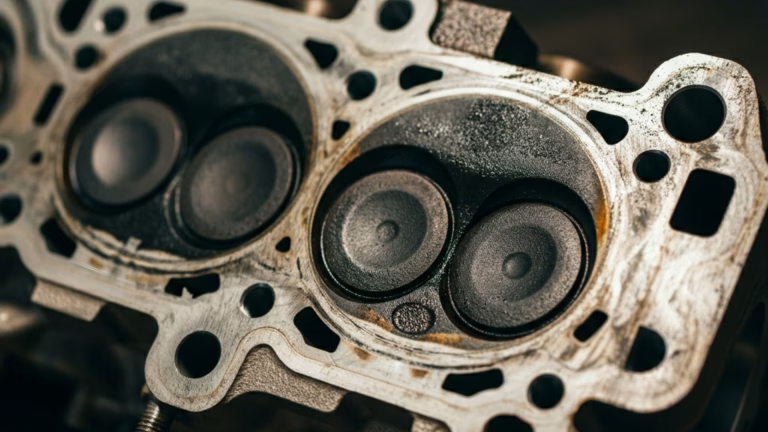
Additionally, models with the 2AZ-FE engine (found in older Camrys from 2002-2009) are known for head gasket failures, making them a riskier choice. While some owners have had positive experiences, the overall consensus is that these years have more problems than later models.
Why These Years Are Problematic?
Several factors contributed to reliability issues in these specific Camry years:
- Electronic Throttle Control Introduction (2002): The switch from mechanical to electronic throttle systems introduced software and electronic defects that Toyota struggled to perfect, leading to sudden acceleration issues.
- Design Flaws: The 2AZ-FE engine’s thin piston rings prioritized fuel economy over durability, causing excessive oil consumption that Toyota failed to anticipate.
- Manufacturing Cost-Cutting: Some years used weaker materials and parts as cost-saving measures, compromising long-term reliability.
- Supplier Quality Variations: Inconsistent part quality from different suppliers affected reliability across production runs.
- Complex Technology Integration: Rapid introduction of advanced electronics, safety systems, and infotainment without adequate testing led to failures in newer models.
What are Most Reliable Toyota Camry Model Years?
While some Camry models had reliability issues, others were praised for their durability and performance. Here are the best years to consider:
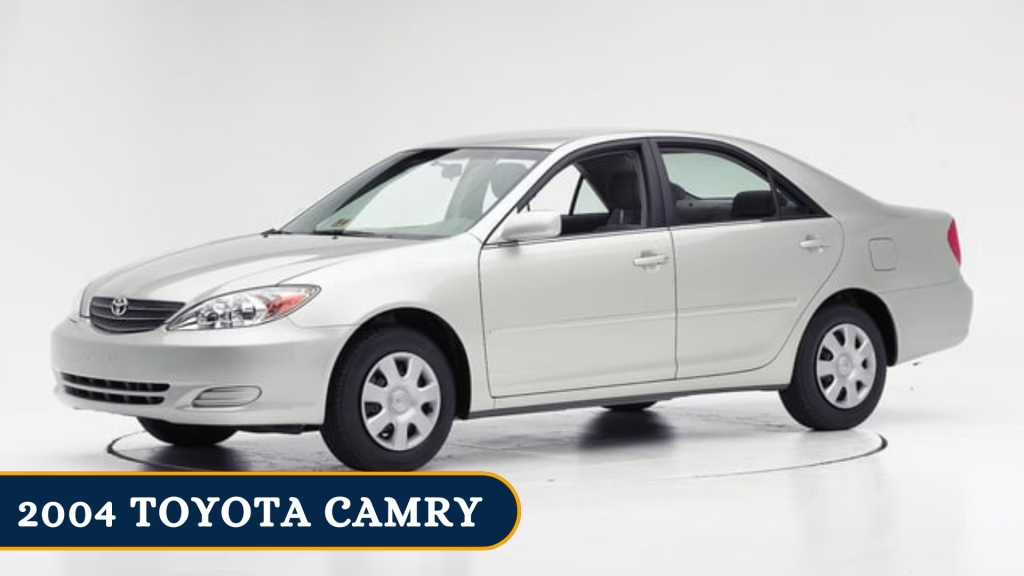
2004 Toyota Camry
The 2004 Toyota Camry, despite being an older model, continues to receive praise for its reliability and overall value.
| Aspect | Details |
| Why It Stands Out? | Strong reliability, smooth drivability, and high customer satisfaction. |
| Key Features | Well-built engine, comfortable ride, and efficient fuel consumption. |
| Reliability | Can last well beyond 100,000 miles with proper maintenance. |
| Downsides | May require transmission replacement after high mileage. |
2005 Toyota Camry (5th Generation)
The 2005 Toyota Camry, part of the fifth generation (2002-2006), has built a strong reputation for reliability and affordability. It is an excellent choice for buyers seeking a well-maintained used midsize sedan at a budget-friendly price.
| Aspect | Details |
| Why It Stands Out | Excellent reliability, minimal maintenance issues, and functional design. |
| Key Features | Available in V6 or four-cylinder engine, high fuel efficiency, and comfortable interior. |
| Reliability | Can last over 200,000 miles with minimal repairs, according to owner reviews. |
| Downsides | Outdated technology and design compared to modern standards. |
2012 Toyota Camry (7th Generation)
The 2012 Toyota Camry, from the seventh generation (2012-2017), introduced significant improvements in comfort, fuel efficiency, and safety. It remains a solid option for those looking for a reliable used car with modern features.
| Aspect | Details |
| Why It Stands Out | Combines reliability, efficiency, and comfort with updated technology. |
| Key Features | 2.5L 4-cylinder engine (optional 3.5L V6), adaptive cruise control, Bluetooth connectivity, and touchscreen interface. |
| Reliability | Known for longevity and solid dependability. |
| Downsides | Interior design lacks premium appeal compared to competitors. |
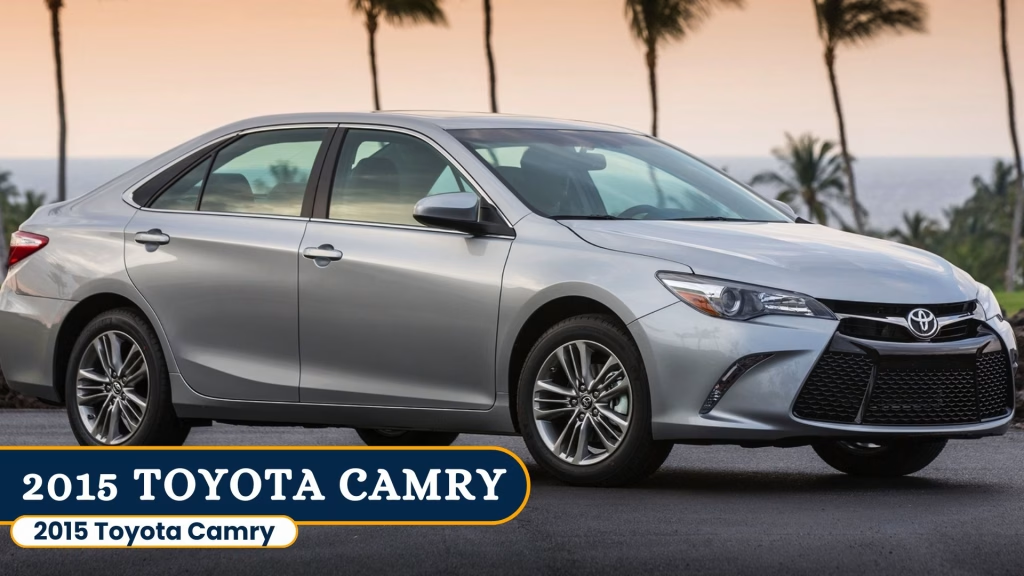
2015 Toyota Camry (7th Generation)
The 2015 Toyota Camry brought a more aggressive design, improved technology, and better handling. This model is often praised for its advanced safety features and modern styling.
| Aspect | Details |
| Why It Stands Out | Bold exterior styling and enhanced safety features make it a standout choice. |
| Key Features | Standard rearview camera, Entune infotainment system, and blind-spot monitoring. |
| Reliability | Offers exceptional long-term durability and dependability. |
| Downsides | Higher trims may be more expensive. |
2018 Toyota Camry (8th Generation)
The 2018 Toyota Camry, part of the eighth generation, was completely redesigned with a sleek, modern appearance and the latest technology. Built on the TNGA platform, this model offers a dynamic driving experience.
| Aspect | Details |
| Why It Stands Out? | Stylish design and advanced technology set it apart. |
| Key Features | Toyota Safety Sense P (TSS-P), Standard Apple CarPlay, and emergency auto braking system. |
| Reliability | Highly rated for durability and performance. |
| Downsides | Styling may not appeal to all buyers. |
2020 Toyota Camry (8th Generation)
With further refinements and additional standard features, the 2020 Toyota Camry is an excellent choice for those looking for a nearly new vehicle with cutting-edge features at a reasonable price.
| Aspect | Details |
| Why It Stands Out? | High resale value, excellent reliability, and advanced safety features. |
| Key Features | Standard Apple CarPlay, Android Auto, Amazon Alexa integration, and impressive fuel efficiency. |
| Reliability | Consistently receives positive reliability feedback. |
| Downsides | Some drivers may find the base engine underpowered. |
2021 Toyota Camry
The 2021 Toyota Camry introduced further refinements in build quality, safety, and technology, making it a top choice among newer models.
| Aspect | Details |
| Why It Stands Out? | Improved styling, enhanced safety features, and long-term durability. |
| Key Features | Advanced driver assistance systems, high-quality build, and fuel-efficient engines. |
| Reliability | Built to last well beyond 100,000 miles. |
| Downsides | Higher trims can be expensive. |
Best Engine Options for Longevity
- 2.5L 4-Cylinder (2010 and newer): Offers great balance of power and fuel efficiency with high reliability. Avoid the older 2.4L 2AZ-FE engine due to oil consumption issues.
- 3.5L V6 (2GR-FE): One of Toyota’s best engines, runs trouble-free for years with routine maintenance. Note: Can develop oil leaks as it ages, which can be expensive to fix.
- Avoid: 2.4L 2AZ-FE engine (2002-2009 models) due to known head gasket failures, oil consumption problems, and oil sludge issues.
What Are the Prices for the Best Toyota Camry Model Years?
If you’re looking for a reliable and well-priced used Toyota Camry, here’s an estimated price range for the five best model years based on market trends. Keep in mind that actual prices may vary depending on mileage, condition, location, and trim level.
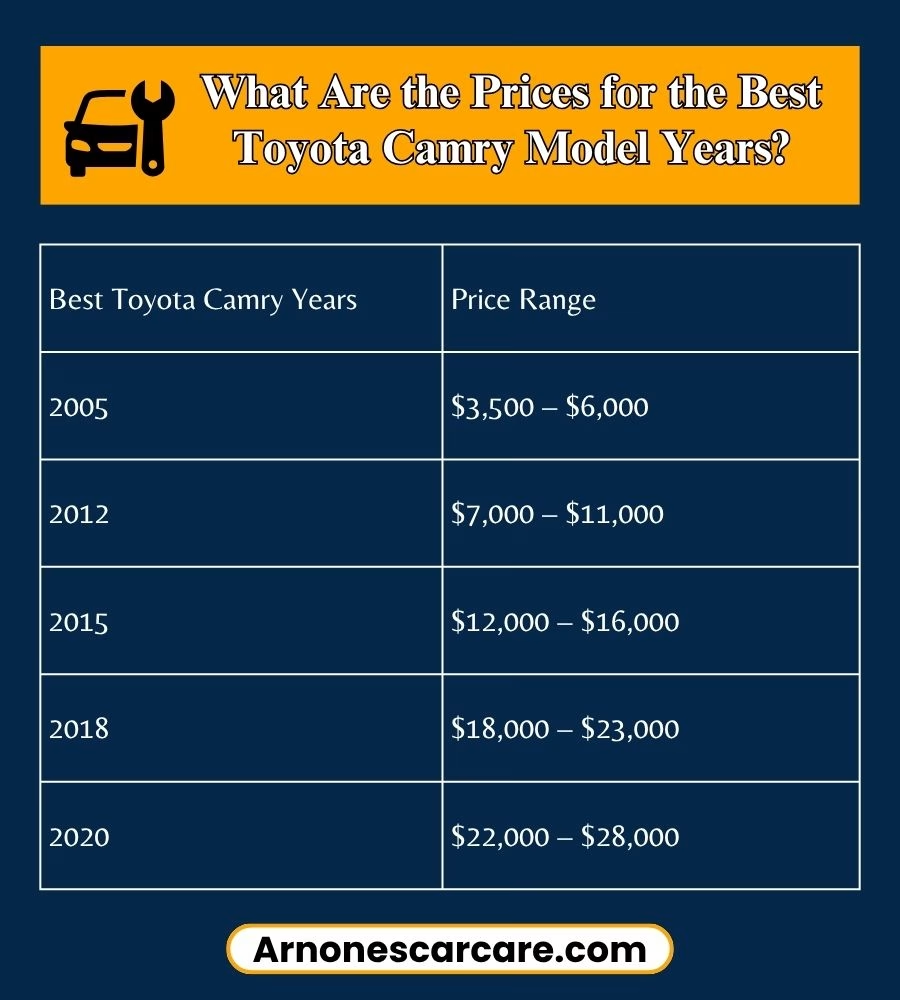
| Best Toyota Camry Years | Price Range |
| 2005 | $3,500 – $6,000 |
| 2012 | $7,000 – $11,000 |
| 2015 | $12,000 – $16,000 |
| 2018 | $18,000 – $23,000 |
| 2020 | $22,000 – $28,000 |
These price provide a general idea of what to expect when shopping for a used Toyota Camry. Always check listings in your area, inspect the vehicle history, and compare different trim options to find the best deal within your budget.
How to Safely Buy a Used Camry?
When considering a used Camry, follow these steps:
- Check Model Year: Avoid 2002, 2007-2009, 2010-2011, 2012, and 2018-2019. If considering these years despite warnings, ensure all issues have been addressed with documentation.
- Verify Engine Type: Confirm it’s not equipped with the problematic 2.4L 2AZ-FE engine. Look for 2.5L 4-cylinder or 3.5L V6 instead.
- Review Service History: Request complete maintenance records showing regular oil changes, transmission service, and any major repairs. Look for evidence of oil consumption issues addressed.
- Check for Recalls: Verify all recalls were completed using the vehicle’s VIN on NHTSA’s website.
- Get Pre-Purchase Inspection: Have a trusted mechanic inspect for oil consumption (check oil level, look for smoke from exhaust), transmission condition (test drive for smooth shifting), brake system function, dashboard condition for melting or cracking, and airbag system status.
- Review Vehicle History Report: Use Carfax or AutoCheck to check for accident history, title status, and service records.
- Test Drive Thoroughly: Pay attention to acceleration response, transmission shifting smoothness, brake pedal feel and stopping power, unusual noises or vibrations, and dashboard warning lights.
FAQs
Q. How reliable is Toyota Camry by year?
The reliability of the Toyota Camry varies depending on the model year. However, Camry models from 2012 and later are known for their strong reliability, with significantly fewer reported issues.
Q. What is the Most Reliable Toyota Camry Year?
The 2012 Toyota Camry is widely considered one of the most reliable models. It stands out for its excellent fuel efficiency and advanced safety features, making it a top choice for dependable performance.
Q. What Toyota Camry Hybrid Years to Avoid?
It is best to avoid the 2008 Toyota Camry Hybrid, as it is known for costly repairs and problems related to its hybrid system that can lead to expensive maintenance.