DISA Valve Rebuild Kit: Restoring Intake Performance in BMW Engines
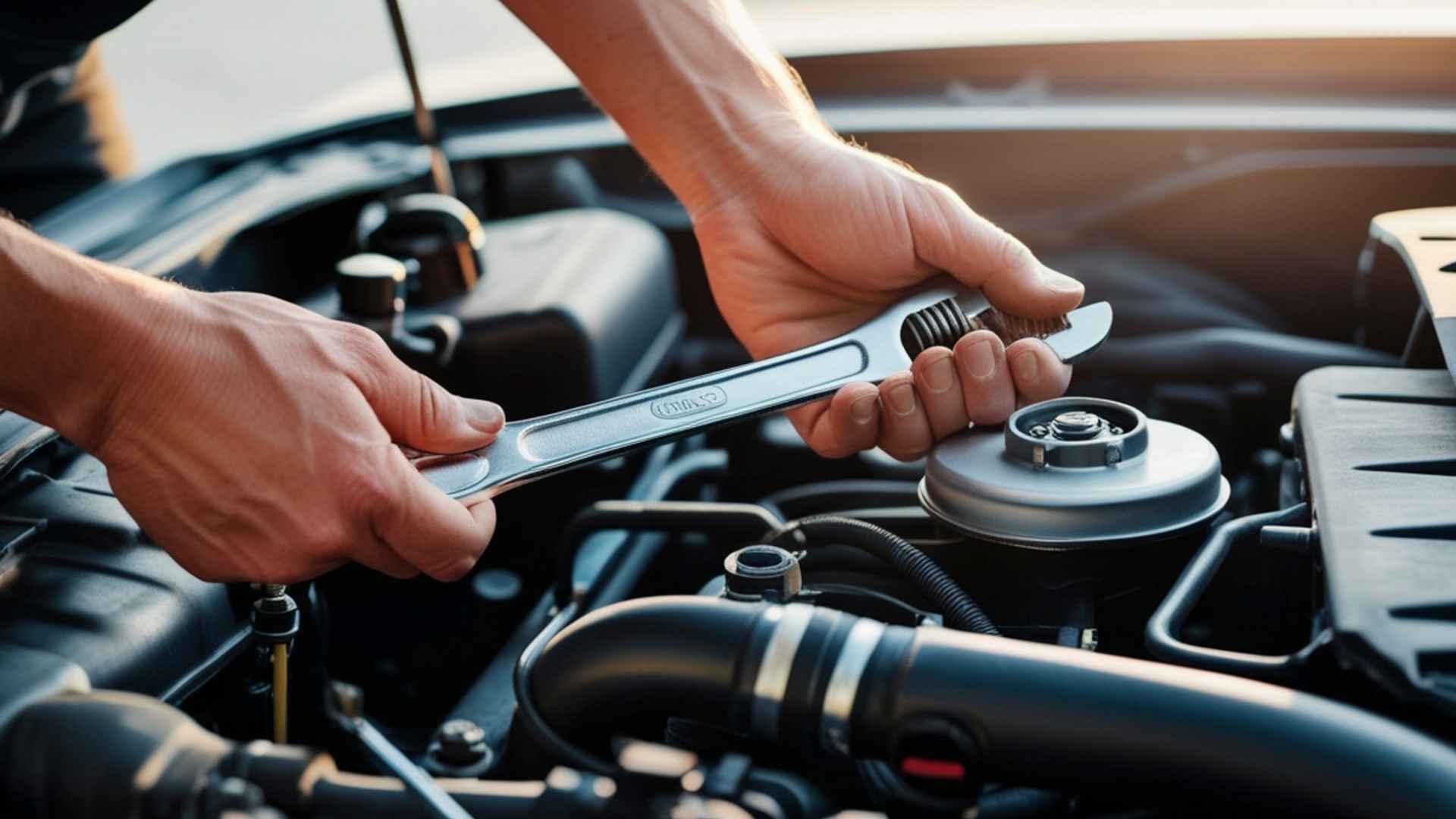
Among the many technologies that contribute to BMW engine performance, the DISA valve is one of the most important and least understood. This component plays a key role in managing airflow inside the intake manifold, helping the engine maintain strong low-end torque while preserving high-RPM efficiency. When the valve begins to wear, drivability often suffers before complete failure occurs. For this reason, a disa valve rebuild kit has become a popular solution among mechanics and BMW enthusiasts looking to restore intake performance without replacing the entire assembly.
How the DISA Valve Works in BMW Engines
BMW introduced the DISA system to optimize airflow across different engine speeds. The name originates from the German term Differenzierte Sauganlage, referring to a variable intake manifold design.
The principle is simple. Engines require different airflow characteristics depending on RPM. At lower speeds, longer intake runners increase air velocity and improve torque. At higher RPM ranges, shorter intake paths allow greater airflow volume, supporting stronger power output.
The DISA valve acts as a switching mechanism between these airflow paths. It opens and closes internal passages within the intake manifold, changing intake runner geometry based on operating conditions.
When functioning correctly, the system provides several advantages:
- Improved low-speed torque.
- Better throttle response.
- More efficient airflow management.
- Smoother power delivery throughout the rev range.
Because the valve is constantly moving and exposed to heat and vibration, wear eventually becomes unavoidable.
Typical DISA Valve Failure Points
The original design performs well when new, but several internal components are known to deteriorate over time.
Common failure points include:
- Worn pivot points that create excessive movement.
- Loose intake flaps inside the housing.
- Cracked or broken actuator shafts.
- Damaged sealing surfaces.
- Vacuum leaks around the valve body.
- Internal rattling caused by component wear.
One of the most serious issues occurs when flap hardware becomes loose. Small parts may detach and enter the intake tract, creating the potential for engine damage.
Seal degradation is another common problem. Even if the flap mechanism remains functional, vacuum leaks can interfere with airflow calculations and reduce efficiency.
Many of these issues develop gradually, making routine inspection important as mileage increases.
Signs You May Need a DISA Valve Rebuild Kit
A failing DISA valve often produces symptoms similar to other intake or fuel system problems, so the issue is sometimes overlooked during diagnosis.
Drivers commonly report:
- Rough or unstable idle.
- Reduced low-end torque.
- Hesitation during acceleration.
- Intake manifold rattling.
- Slower throttle response.
- Increased engine vibration.
- Diagnostic fault codes related to airflow management.
These symptoms are especially noticeable between low and medium RPM ranges, where the DISA system has the greatest influence on intake behavior.
What a DISA Valve Rebuild Kit Includes
A quality disa valve rebuild kit replaces the components most susceptible to wear while preserving the original valve housing.
Typical kit contents include:
- Reinforced intake flaps.
- Upgraded metal shafts.
- Precision bushings.
- O-rings for improved sealing.
- Replacement gaskets.
- Retaining hardware and fasteners.
These upgraded components often address weaknesses in the original design. Metal shafts, for example, offer greater durability than aging plastic parts exposed to years of heat cycling.
Bushings and seals help restore stability and eliminate unwanted movement inside the assembly.
Rebuild Process Overview
Rebuilding a DISA valve focuses on restoring both mechanical integrity and airflow control.
The process generally includes:
- Removal of the DISA valve from the intake manifold.
- Disassembly of existing components.
- Inspection for wear or damage.
- Cleaning of internal surfaces and passages.
- Installation of upgraded components.
- Reassembly using new seals and hardware.
- Final testing of flap movement and sealing performance.
Cleaning is particularly important because oil residue and carbon deposits can accumulate inside the housing over time.
Restoring BMW Intake Performance the Smart Way
The DISA valve is a small component with a major influence on BMW engine behavior. By controlling intake runner geometry, it helps balance torque, responsiveness, and airflow efficiency across the RPM range. When wear affects pivots, shafts, seals, or flaps, performance can decline and eventually lead to more serious issues. A disa valve rebuild kit offers a practical solution by restoring the components most likely to fail while preserving the original housing. The result is improved airflow control, smoother engine response, and longer service life without the need for complete replacement.




Post Comment