
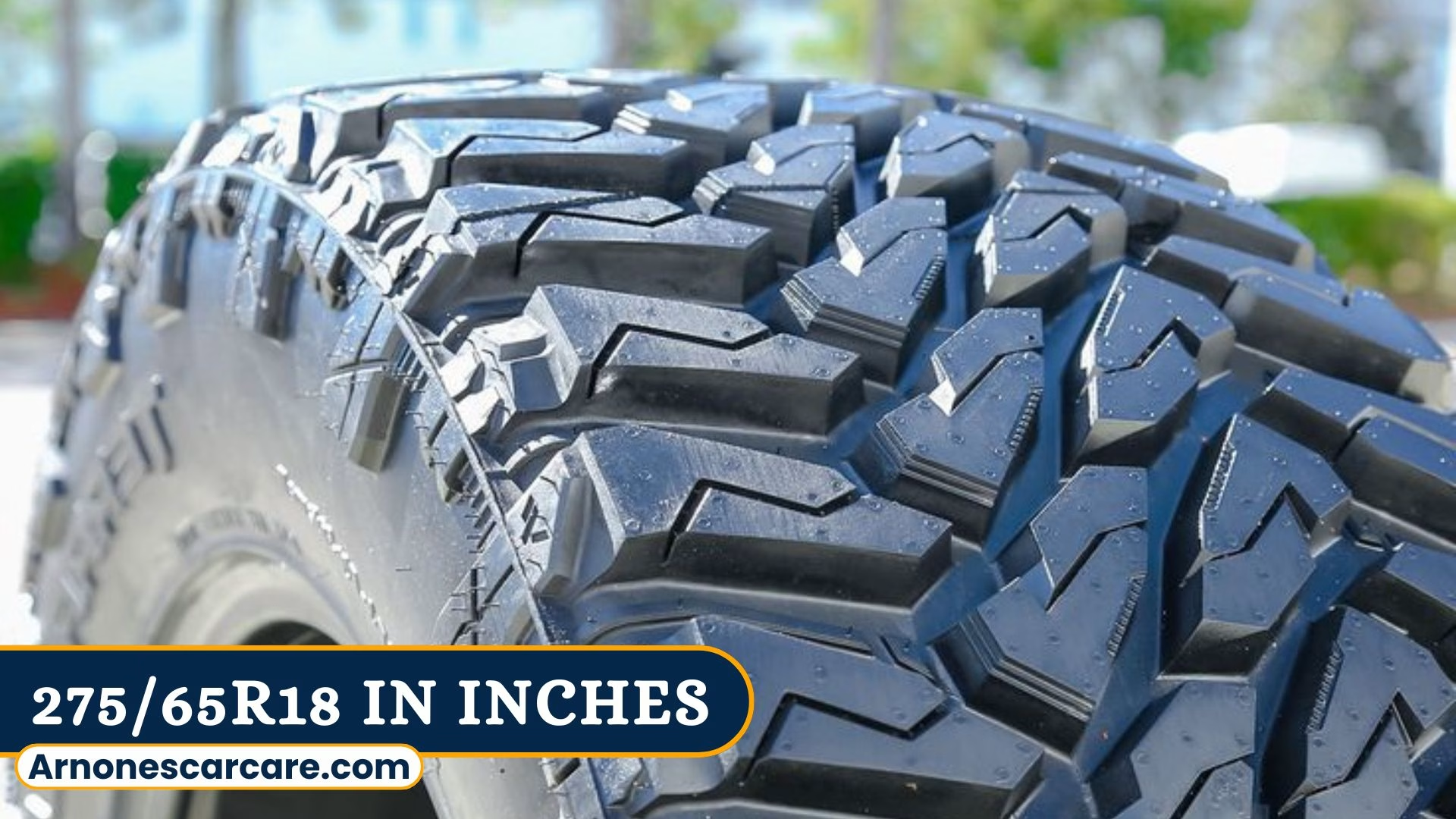
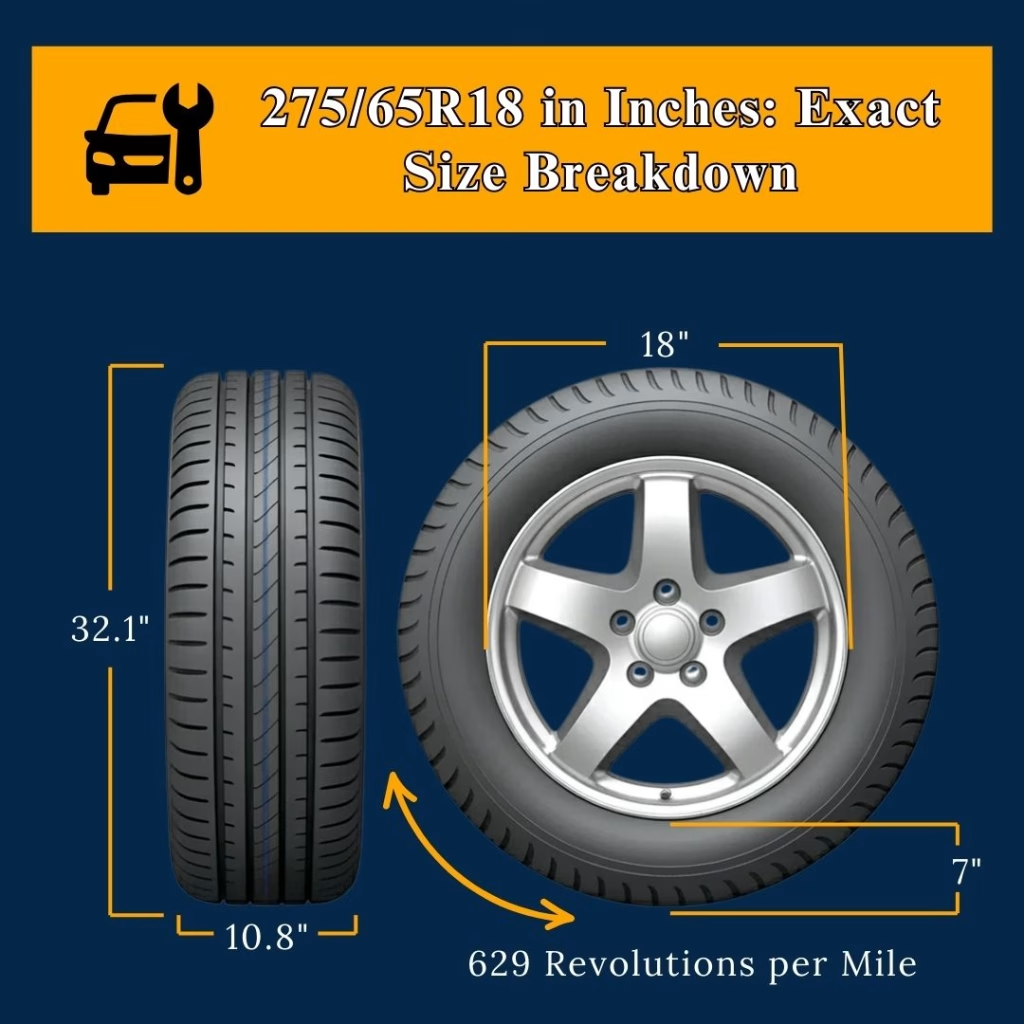
The 275/65R18 tire measures 32.1 inches (815 mm) in overall diameter, 10.8 inches (275 mm) in tread width, and 18 inches (457 mm) for the wheel diameter. The sidewall height is 7 inches (179 mm), and the tire has a circumference of about 100.8 inches (2560 mm).
This size gives you around 628 revolutions per mile (390 per kilometer), making it a reliable option for both highway driving and light off-road use. If you’re upgrading to these tires, note that they offer good ground clearance and stability but may slightly affect fuel efficiency. In this article, we’ll cover everything about 275/65R18 tires to help you make an informed choice.
For additional insights, browse through my other articles on tire sizes to make a well-informed decision.
275/65R18 in Inches: Exact Size Breakdown
To give you a clear idea of how 275/65R18 translates into inches, here’s a complete breakdown of its dimensions:
| Measurement | In Inches | In Millimeters (mm) |
| Tire Width | ~10.83 inches | 275 mm |
| Sidewall Height | ~7.04 inches | 179 mm |
| Rim Diameter | 18 inches | 457.2 mm |
| Overall Diameter | ~32.08 inches | 815 mm |
| Circumference | ~100.8 inches | 2559.1 mm |
| Revolutions per Mile | ~629 | 391 per km |
What These Numbers Mean for Your Vehicle
✔ A width of 10.83 inches provides a stable grip on the road, improving control and traction.
✔ A sidewall height of 7.04 inches gives a good balance between ride comfort and handling.
✔ An overall diameter of 32.08 inches ensures a smooth driving experience on highways and rugged terrains.
✔ A circumference of 100.8 inches affects speedometer accuracy and how efficiently the tire rolls.
Knowing these numbers helps you compare with other sizes, choose the right tire for your driving needs, and ensure a proper fit for your SUV or truck.
What Do the Numbers in 275/65R18 Mean?
Tire sizes may seem like random numbers and letters, but they actually provide important details about the tire’s dimensions and structure. Let’s break it down:

- 275 – This is the tire width in millimeters, measuring from one sidewall to the other. When converted to inches, this equals about 10.83 inches.
- 65 – This is the aspect ratio, meaning the height of the tire’s sidewall is 65% of its width.
- R – The letter “R” means the tire has a radial construction, which is the most common and durable tire design today.
- 18 – This represents the rim diameter in inches, meaning the tire is designed to fit 18-inch wheels.
Understanding these numbers is crucial because tire size impacts your vehicle’s stability, fuel efficiency, and ride comfort. Now, let’s take a closer look at the exact dimensions of 275/65R18 in inches.
Step-by-Step Guide: Converting 275/65R18 to Inches
Understanding how 275/65R18 converts to inches can help you better visualize the tire’s size. Let’s go through the step-by-step process.
Step 1: Convert Width from Millimeters to Inches
- The 275 mm in the tire size represents the width of the tire from one sidewall to the other.
- Since 1 inch = 25.4 mm, we divide:
275 ÷ 25.4 = 10.83 inches - So, the tire width is about 10.83 inches.
Step 2: Calculate Sidewall Height in Inches
- The sidewall height is determined by the aspect ratio (65% of the width).
- Multiply the width (10.83 inches) by 0.65:
10.83 × 0.65 = 7.04 inches - This means the sidewall height is about 7.04 inches.
Step 3: Find the Total Tire Diameter (Height)
- The overall tire diameter includes the rim diameter and both sidewalls.
- Use the formula:
(Sidewall Height × 2) + Rim Diameter
(7.04 × 2) + 18 = 32.08 inches - So, the total tire height (diameter) is approximately 32.08 inches.
Step 4: Determine Circumference and Revolutions per Mile
- To find the tire’s circumference, multiply the overall diameter by π (3.14):
32.08 × 3.14 = 100.8 inches - To calculate revolutions per mile, divide 63,360 inches (1 mile) by the circumference:
63,360 ÷ 100.8 = 629 revolutions per mile - This means a 275/65R18 tire makes about 629 revolutions per mile.
Best All-Terrain Tires for 275/65R18
If you own an SUV or truck, choosing the right all-terrain tire can make a huge difference in performance. 275/65R18 all-terrain tires are designed to handle both highways and off-road conditions, offering better grip, durability, and comfort.
Why Choose All-Terrain Tires for 275/65R18?
- Versatility: Performs well on highways, gravel, mud, and snow.
- Durability: Built with tougher sidewalls to resist cuts and punctures.
- Better Traction: Deeper tread patterns improve grip in off-road conditions.
- Comfortable Ride: Modern all-terrain tires are designed for quieter and smoother highway driving.
Top All-Terrain Tires for 275/65R18
Here are some of the best-rated all-terrain tires for this size:

- Goodyear Wrangler All-Terrain Adventure
- Pros: Reinforced with Kevlar for extra durability, great off-road traction.
- Cons: Slightly more expensive than other options.
- Michelin LTX A/T2
- Pros: Long tread life, excellent handling in all weather conditions.
- Cons: Not as aggressive in deep mud or snow.
- Bridgestone Dueler A/T Revo 3
- Pros: Quiet ride, good wet and dry road grip.
- Cons: Tread wears faster with aggressive driving.
- Pirelli Scorpion ATR
- Pros: Fuel-efficient, comfortable ride, strong wet road traction.
- Cons: Not as rugged for extreme off-road adventures.
Choosing the right tire depends on your driving habits. If you do more highway driving, look for comfort and durability. If you go off-road frequently, choose aggressive tread patterns for better grip.
275/65R18 vs Other Tire Sizes: How It Compares
When picking a tire size, it’s important to see how 275/65R18 compares to other popular sizes in terms of performance, fuel efficiency, and ride comfort.

275/65R18 vs 275/70R18
| Feature | 275/65R18 | 275/70R18 |
| Width | 10.83 in | 10.83 in |
| Sidewall Height | 7.04 in | 7.58 in |
| Overall Diameter | 32.08 in | 33.16 in |
| Ride Comfort | Balanced | Slightly Softer |
| Fuel Efficiency | Better | Slightly Worse |
| Off-Road Performance | Good | Better Grip Due to Taller Sidewall |
Key Takeaways:
- 275/70R18 is slightly taller, which can improve off-road traction but may reduce fuel efficiency.
- 275/65R18 offers a better balance for highway driving while still being off-road capable.
How 275/65R18 Impacts Your Vehicle’s Performance
Your tire size plays a major role in ride comfort, fuel efficiency, and traction. Let’s see how 275/65R18 affects your driving experience.

Does a Bigger Sidewall Improve Ride Comfort?
Yes, but with some trade-offs.
- Larger sidewalls absorb bumps better, making the ride smoother on rough roads.
- A taller tire flexes more, which can slightly reduce sharp cornering performance.
- If comfort is your priority, 275/65R18 is a great choice compared to lower-profile tires.
How Does Width Affect Fuel Efficiency?
A wider tire increases road contact, which can improve traction but also reduce fuel economy.
- 275/65R18 has a wider tread, meaning:
- More grip = Better stability and braking performance.
- More rolling resistance = Slightly lower MPG than a narrower tire.
- If fuel economy is a top concern, consider a tire with low rolling resistance technology.
Is 275/65R18 Good for Traction & Stability?
Absolutely! This size is designed for SUVs and trucks that need a balance of stability and grip.
- On wet and dry roads: Offers strong braking performance and good cornering.
- Off-road: Larger contact patch gives better traction on mud, snow, and gravel.
- Towing: Helps maintain control under heavy loads.
Overall, 275/65R18 provides a solid mix of comfort, stability, and off-road capability, making it a well-rounded tire size.
If you need help with tire repair, visit our tire repair services for more support.
FAQs
Q. Can I replace 275/65R18 with 265/70R17?
Yes, 265/70R17 is a good alternative that offers better fuel economy and a smoother ride, but it has slightly less road grip.
Q. Is 275/65R18 a good all-terrain tire size?
Yes, this size is widely used for all-terrain tires, providing a great balance of on-road comfort and off-road performance.
Q. How does 275/65R18 affect fuel economy?
Since it’s wider than smaller tire sizes, it creates more rolling resistance, which may slightly reduce fuel efficiency compared to narrower options.