Financial Planning Steps To Take Before Purchasing a Car at Auction
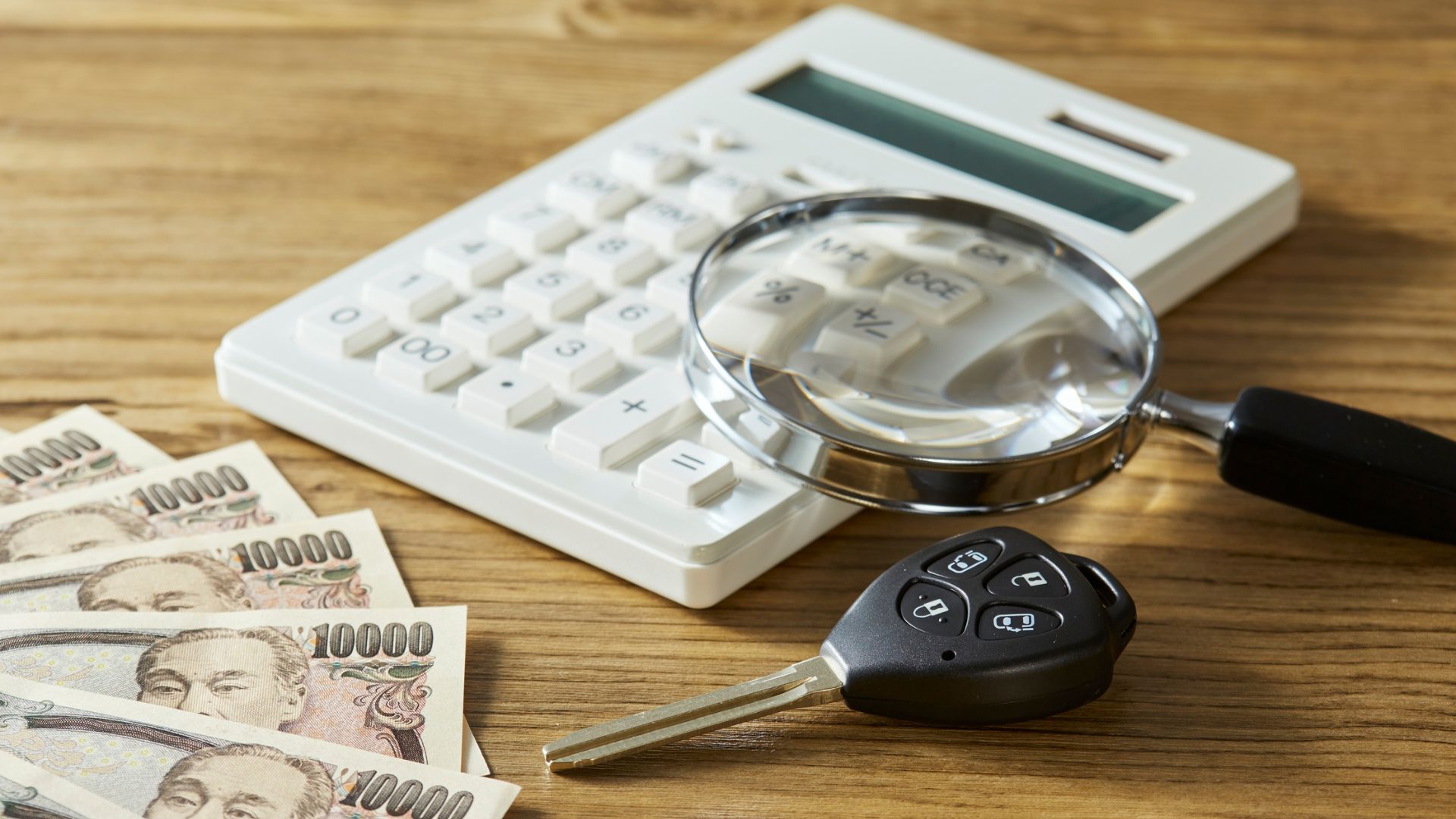
Buying a car at an auction can be a great way to score a bargain. However, that is not to say it doesn’t come with its fair share of financial challenges. For this reason, you’ll need to plan the purchase properly if you are serious about making a smart purchase.
Setting a clear budget, getting your finances sorted, and knowing what to expect on auction day can save you both a tidy sum of money and from the prospect of post-purchase regret.
To help you do that, this guide will break down some of the essential financial planning steps you can take before purchasing a car at auction. Hopefully, once you’ve read it, you will be able to place your bid more confidently and avoid costly surprises in the process.
Why Is Financial Planning Before a Car Auction Important
Entering a car auction without fully knowing your financial limit is a recipe for disaster. If you are not careful, you could get caught up in the heat of the moment and end up bidding more than you can afford for your desired make and model.
By planning your finances properly, you’ll be able to stay focused, organised, and realistic about what you can afford. That is why it is vital, before you bid, to take time to assess your savings, borrowing power, and total car ownership expenses.
Be mindful that your costs don’t stop at the hammer price. You’ll need to factor in expenditure like auction fees and costs, insurance, registration, and possible repairs or upgrades. If you don’t have the funds outright in full to pay for the vehicle, you may even need to consider a tailored car loan to suit your financial situation.
At the end of the day, being aware of your total budget will ensure you know your spending limit before bidding begins. It will also help you avoid making rash or emotional decisions during the auction process.
Additionally, good financial planning also gives you room to consider other key factors. This includes used car value, buyer’s premium, and any additional fees the auction house might charge.
How to Budget Properly Before Buying a Car at Auction
So, how do you go about setting a realistic budget for a car auction? Well, to start with, you need to identify your absolute maximum spend. This should take into account not just your winning bid amount, but the full cost of getting the vehicle on the road.
1. Calculate the True Cost of Ownership
When it comes to budgeting for a car purchase, there are a lot of costs you will need to factor into the equation. This includes everything from stamp duty and registration to insurance and maintenance.
These ongoing car ownership expenses can add thousands to the purchase price. So, you need to be mindful of them when crunching the numbers.
If you’re buying a used car, don’t forget to set aside an amount for contingencies. This will cover you for any mechanical issues or servicing costs that might arise.
2. Factor in Auction Fees and Costs
Most car auctions add extra charges to the sale. These often include things like a buyer’s premium, documentation fees, and sometimes a holding or handling fee.
It is vital to check these details before the auction starts. That way, you can factor them into your maximum bid.
3. Set a Maximum Bid and Stick to It
Once you’ve calculated your total budget, set a firm bidding limit. Most importantly, make sure you don’t go beyond it. The last thing you want is to fall into the trap of emotional bidding. It might even help you to write your limit down on a piece of paper so you can refer to it before each auction.
If you’re planning to purchase a used car at an online auction, here are some tips you might find useful.
What Other Preparations Should I Make Before Bidding at a Car Auction?
Aside from getting your finances sorted, there are a few other things you should do when preparing to bid for a car at an auction. They include the following:
1. Get a Vehicle Inspection Report or History Check
Before bidding, you should always research the background of the vehicle you are interested in. A good way to do that is by procuring a vehicle inspection report or having a PPSR check performed.
They will identify whether the car has any encumbrances, accident history, or odometer issues. It is essential to do this as it can protect you from buying a vehicle with hidden problems.
2. Research Used Car Values and Auction Trends
It is always a good idea to do your homework on the car you want to purchase. Specifically, this should involve establishing a fair market price for the particular make and model you’re targeting.
There are several online tools available to compare used car values. However, you should also review similar auction results to see how much similar vehicles have sold for.
Doing this is a great way to set realistic expectations for yourself and even recognise a genuine bargain if you see one.
3. Watch Car Reviews On YouTube
Buying a car at an auction is always a step into the unknown. Primarily, this is because you are not usually allowed to test drive the vehicle beforehand.
For this reason, it is a good idea to do your homework about the car beforehand. The best way to do this is to read any relevant reviews you can find in authoritative car publications. YouTube can also be a great resource for determining how well any given make or model drives.



Post Comment